Andalusian influencers around the world
Antonio Machado: A symbol of democratic SpainMachado’s poetry has been translated into many languages as it is widely taught in international comparative literature courses
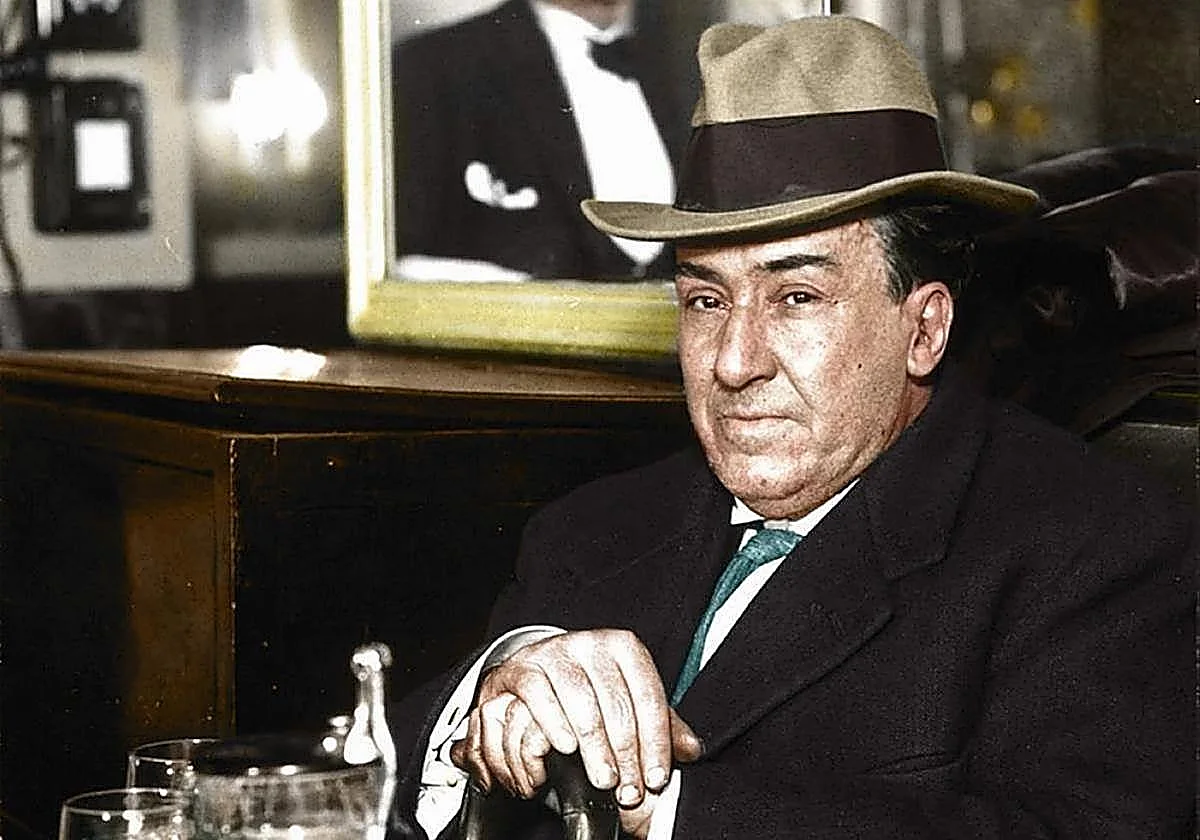
Añádenos en Google Machado was a leading voice of 20th-century Spanish-language poetry. (SUR)Tony Bryant
22/05/2026 a las 11:07h.The cemetery in the peaceful town of Collioure in southern France has long been a pilgrimage site for writers, historians and political activists from many countries, as it is the final resting place of the Spanish poet Antonio Machado Ruiz. The world-renowned poet, like many other artists of this period, fled Spain to escape the Franco regime in 1939. He died in Collioure a few months later. An emblematic guest house in Collioure, La Casa Quintana, welcomed Machado upon his arrival in the small fishing port. In 1946, a marble plaque commemorating the poet was installed on the building’s facade.
Antonio Machado, together with his brother Manuel, emerged as one of the leading voices of 20th-century Spanish-language poetry. His exploration of themes such as time, exile, moral introspection and inner consciousness left a lasting influence on poets throughout Europe and Latin America, including the Chilean poet and diplomat Pablo Neruda.
Machado’s grave in Collioure. (SUR)Born in Seville in 1875, Machado, one of the principal voices of the Generation of ’98 movement, came from a prosperous and culturally rich family. His grandfather, Antonio Machado Núñez, was one of the pioneers of Darwinism in Spain, while his father, Antonio Machado Álvarez, known as Demófilo, helped introduce modern folklore scholarship into Spain after learning about movements such as London’s The Folklore Society.
Machado’s restrained, reflective style offered an alternative to more ornamental poetic traditions and became especially admired in university literary circles worldwide. Because he died in exile, he came to be regarded internationally as a symbol of democratic Spain, intellectual opposition to authoritarian rule and the tragedy of displacement.
Machado’s poetry has had a major impact on education and his works have been translated into English, French, German, Italian and many other languages. Poems such as Caminante, no hay camino… (traveller, there is no path) and A un olmo seco (to a dry elm tree) are widely taught in international comparative literature and Spanish-language courses, as they are often regarded as symbols of endurance and hope.
His poetry gained a broader international audience through musical adaptations, particularly by artists such as Joan Manuel Serrat: his album dedicated to Machado brought his work to listeners throughout Latin America and Europe.
Outside Spain, Machado is widely regarded as one of the clearest literary voices capturing the moral and psychological crisis of early 20th-century Europe.