Martes, 14 de abril de 2026 Mar 14/04/2026
RSS Contacto
MERCADOS
Cargando datos de mercados...
Internacional

Byzantine fortress unearthed in Elda reopens debate over imperial control of southeast Spain

Byzantine fortress unearthed in Elda reopens debate over imperial control of southeast Spain
Artículo Completo 412 palabras
Archaeologists confirm the hilltop site of El Monastil served as a sophisticated military and administrative hub on the volatile Visigoth frontier

Zoom

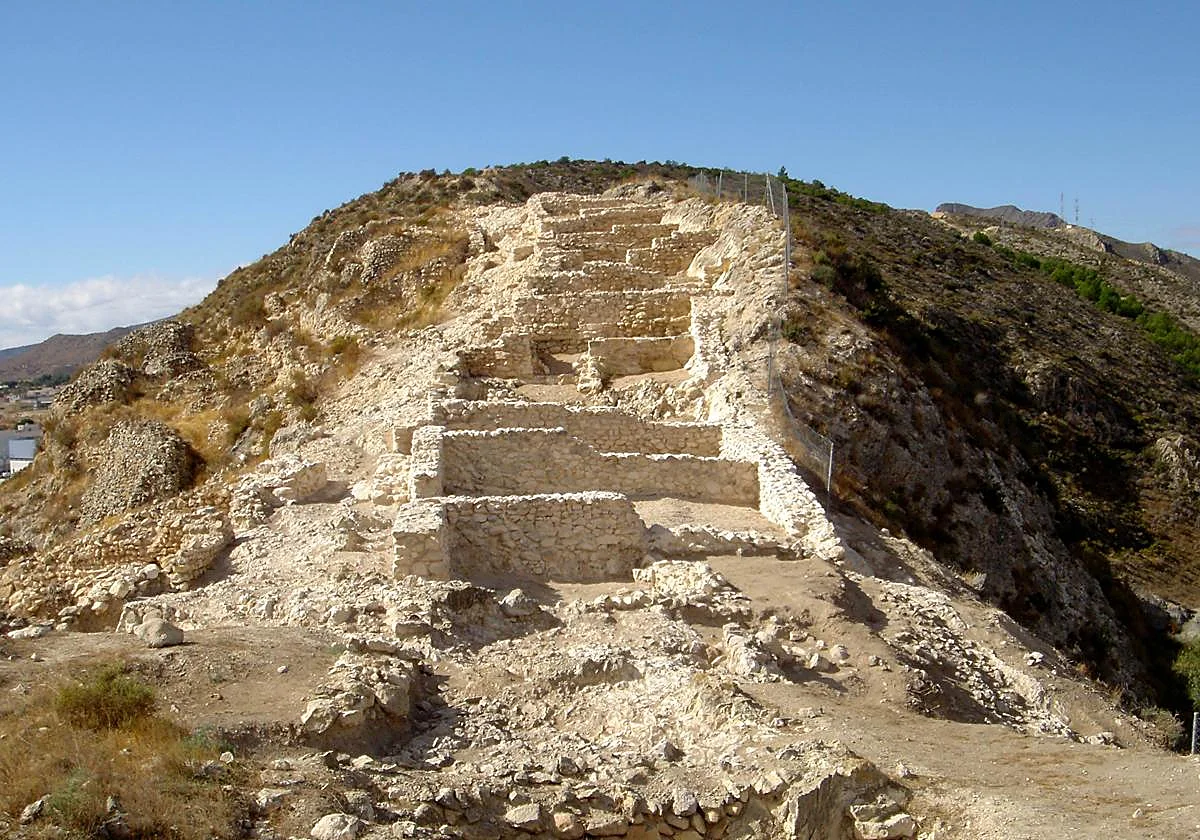
Por FoxR - Trabajo propio, CC BY-SA 4.0, https://commons.wikimedia.org/w/index.php?curid=36519935 Archaeology Byzantine fortress unearthed in Elda reopens debate over imperial control of southeast Spain

Archaeologists confirm the hilltop site of El Monastil served as a sophisticated military and administrative hub on the volatile Visigoth frontier

Dilip Kuner

Malaga

Tuesday, 14 April 2026, 15:13

Share

Archaeological breakthroughs at the El Monastil site are transforming our understanding of the Costa Blanca’s ancient past, proving that the Byzantine Empire held a sophisticated "iron curtain" against the Visigoths in the Vinalopó Valley.

While many visitors flock to Alicante for its beaches, the rugged interior is currently yielding some of the most significant Byzantine archaeology in Western Europe.

A new study by Antonio Manuel Poveda Navarro has confirmed that the hilltop of El Monastil in Elda was not just a settlement, but a vital imperial castellum (fortress) that guarded the frontier of the Eastern Roman Empire during the 6th and 7th centuries.

A strategic gateway in the Vinalopó Valley

The location of the find is key to its historical importance. Situated overlooking a natural pass, the fortress allowed the Byzantines to control movement between the coast (Carthago Spartaria/Cartagena) and the Iberian interior.

Related story

Why this discovery matters for Spanish history

This isn't just a local find; it is a missing link in the story of the Byzantine Province of Spania. The excavation has unearthed artifacts that prove the "Romanness" of the region survived much longer than previously thought:

•Elite Military Presence: The discovery of heavy cavalry armor (lamellae) suggests that elite imperial troops were stationed right here in the Alicante mountains.

•The "Lost" Church of Elo: The site features a Byzantine-style monastery with a rare pentagonal baptistery, marking it as a major center of early Christian worship in Southeast Spain.

•Imperial Tax Control: Archaeologists found official currency weights, proving that the Bishops of Elda were tasked by Emperor Justinian to regulate the economy and collect taxes, keeping the Roman system alive on the frontier.

The findings at El Monastil, which include a stunning ivory pyxis (jewelery box) and a monumental three-metre-thick defensive wall, are now being integrated into the cultural heritage of the Vinalopó Mitjà region.

For those exploring the Castles of Alicante route, this Byzantine discovery adds a layer of "Imperial Rome" to a landscape famous for its Moorish and Medieval fortresses. It serves as a reminder that 1,500 years ago, the mountains of Elda were the high-tech border of a Mediterranean superpower.

Fuente original: Leer en Diario Sur - Ultima hora
Compartir