Zoom
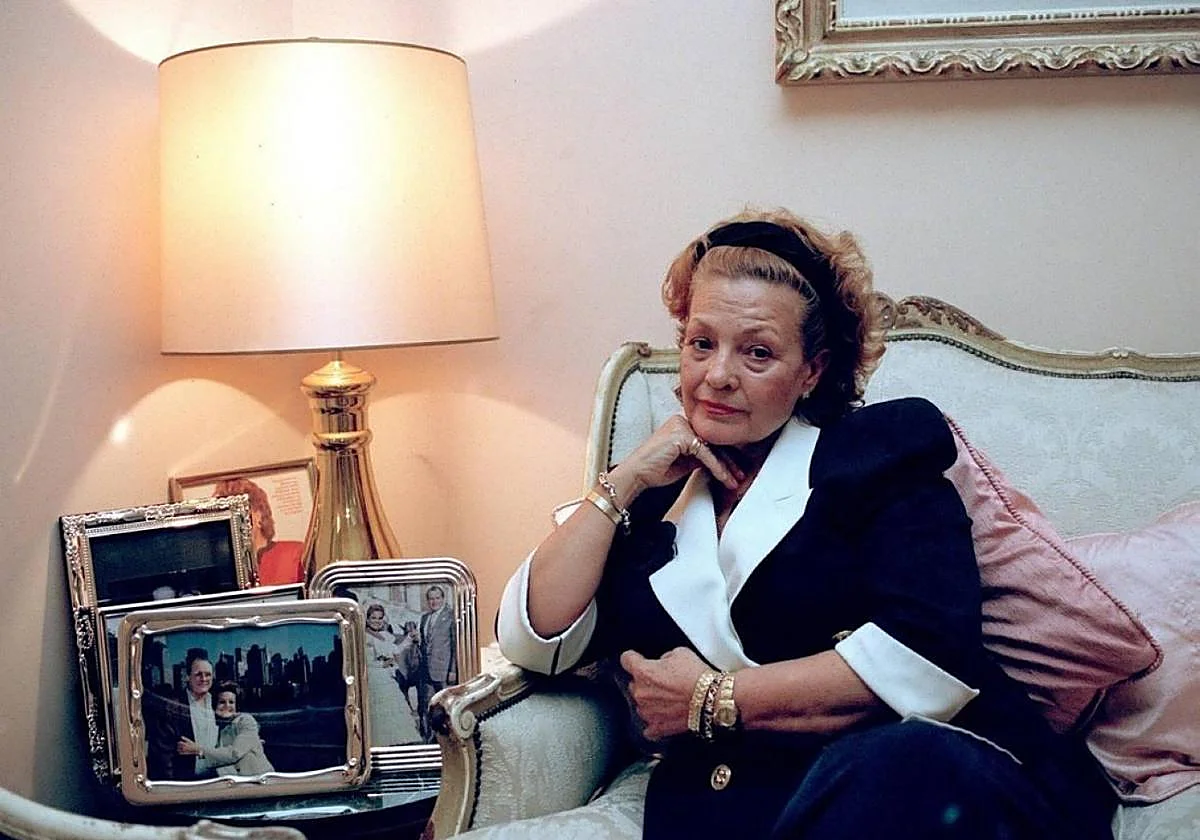
The legendary Seville-born actress and singer Carmen Sevilla. ABC Andalusian influencers around the world Carmen Sevilla: An icon of Mexico's golden cinema eraThe Seville actress had supporting roles in epic English-language films, but it was her screen presence in Mexico that earned her wider acclaim beyond Spain
Tony Bryant
Friday, 6 March 2026, 11:14
Although her fame did not reach the same global scale as some Hollywood stars of her era, Spanish singer and actress Carmen Sevilla was a major star and cultural icon in Spain, and in Latin America. She was especially popular in countries such as Mexico, Argentina and Venezuela and remained one of the most popular and highest paid stars of Spanish cinema until the end of the 1970s.
Daughter of composer Antonio García Padilla, María del Carmen García Galisteo was born in Seville on 16 October 1930. She changed her name to Carmen Sevilla during the 1940s and rose to fame with the film La Revoltosa (The Troublemaker). She also secured lead roles in French-language cinema, one of which was Violettes Impérials (Imperial Violets), an operetta film based on the 1948 stage production of the same name. The film was the second most popular film released in France in 1952.
She went on to perform in numerous films in Spain and also had supporting roles in English-language epic films such as King of Kings (1961), in which she portrayed Mary Magdalene; and Antony and Cleopatra, directed by and starring Charlton Heston. She also starred with Heston and Sophia Loren in the epic historical drama El Cid, which gave her international exposure.
However, the actress was more of a recognised figure within Spanish-speaking cinema circles, where Spanish-language movies and music circulated widely in the 1950s and 1960s.
As a singer, she released over 15 studio albums and numerous singles, which brought her great recognition in Latin America. In the 1950s and 1960s, her films circulated widely in Mexican theatres, and she became a familiar face in entertainment magazines and on television.
She also worked in Mexican productions and maintained professional ties with the country's film industry, strengthening her fan base. While she never settled permanently in Mexico, her screen presence and musical performances made her one of the Spanish actresses most recognised by Mexican audiences of that era.
At the time of her death from complications with Alzheimer's in 2023, Carmen Sevilla was hailed as one of the last surviving stars from the Golden Age of Mexican cinema.