Zoom
Journalist Caruana Galizia EFEMark Nayler
Friday, 20 February 2026, 11:18
On Monday and Tuesday this week, a delegation from the EU's Democracy, Rule of Law and Fundamental Rights Monitoring Group (DRFMG) visited Madrid. Their mission? To assess the state of Spanish democracy. Javier Zarzalejos, a member of the European People's Party and leader of the investigatory trip, said that the DRFMG stirs itself "whenever checks and balances are weakened, judicial independence is questioned, or institutional safeguards are politicised". Pedro Sánchez, it seems, can expect a strongly-worded letter very soon.
The DRFMG has the power to take action against practices it deems sufficiently egregious, but it's not clear what form this would take. One wonders whether its "fact-finding" jaunt to Madrid, on which it met representatives of the Supreme Court, Constitutional Court and Office of the General Prosecutor, will result in anything more than a negative report. Perhaps a proposal to limit the number of times a government can use royal decrees? Sánchez would be hobbled if he couldn't bypass parliament whenever he wanted.
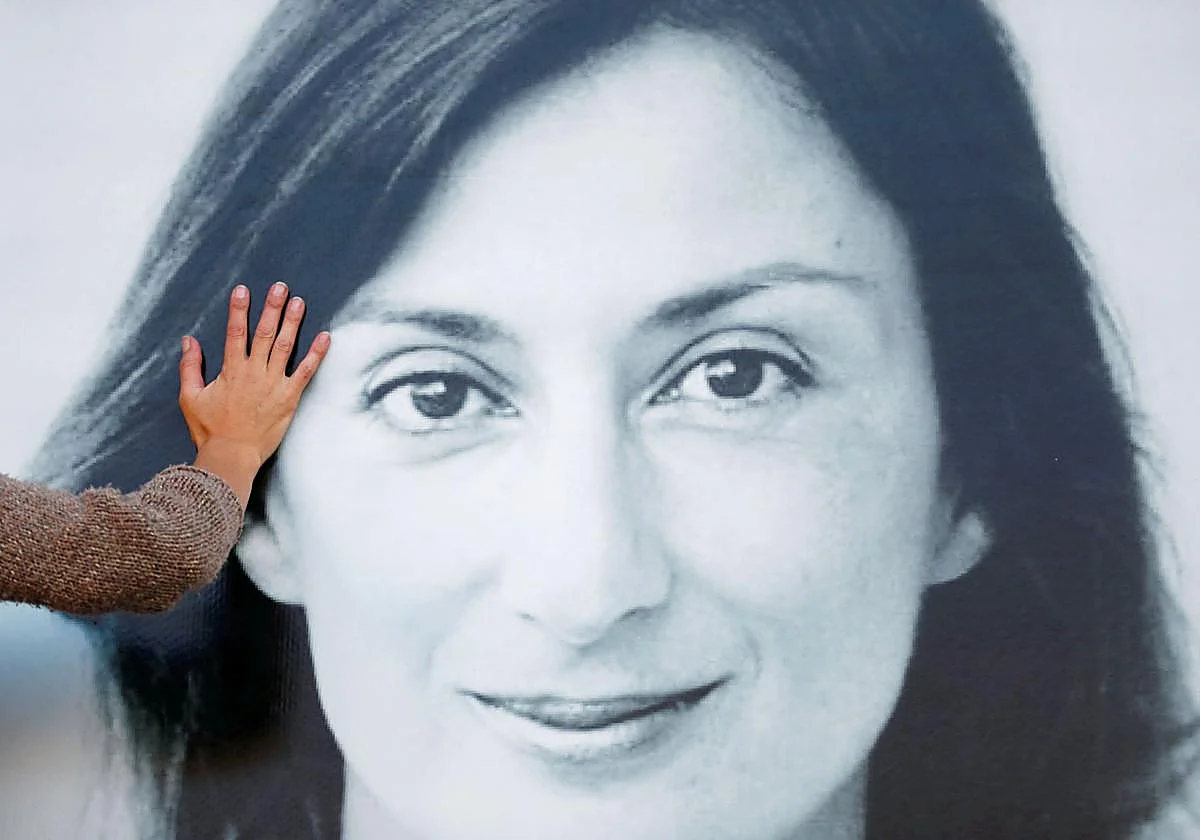
The DRFMG is a relatively new body. Originally named the Rule of Law Monitoring Group, it was established in 2018 in response to the murders of two investigative journalists: Daphne Caruana Galizia, assassinated in Malta by a car bomb on 16 October, 2017, and the Slovakian Ján Kuciak, murdered along with his fiancée Martina Kušnírová in their home on 21 February, 2018. At the time of their deaths, both Galizia and Kuciak were investigating high-level corruption in the business and political worlds.
The EU's concern reflects a decline in trust in democratic institutions on both sides of the Atlantic. In November last year, an Ipsos poll of almost 10,000 people in Croatia, France, Italy, the Netherlands, Poland, Spain, Sweden, the UK and US found that less than 50 per cent in eight of those nine countries weren't satisfied with the operation of democracy. In Spain, only 27 per cent said they were satisfied, while 80 per cent expressed concern about the likely state of democracy in five years' time. In none of the countries did more than half of respondents feel that their governments represented their views adequately.
This is unsurprising in Spain, not only because the Socialists didn't win the last election. The majority of Spanish citizens live in regions controlled by the conservative PP party, which posted its latest victory in Aragón two weeks ago.
Concerning as all this is, we also have a reason to be grateful. The state of a particular government may be deplorable at any given time, but in all the countries polled by Ipsos last year, the ultimate check and balance still works fine - that is, a general election every few years.
Unlike the citizens of Afghanistan, Myanmar and North Korea, currently ranked the world's least-democratic countries, we can simply get rid of governments we don't like.