Zoom
Andrew J. Linn
Friday, 27 March 2026, 12:06
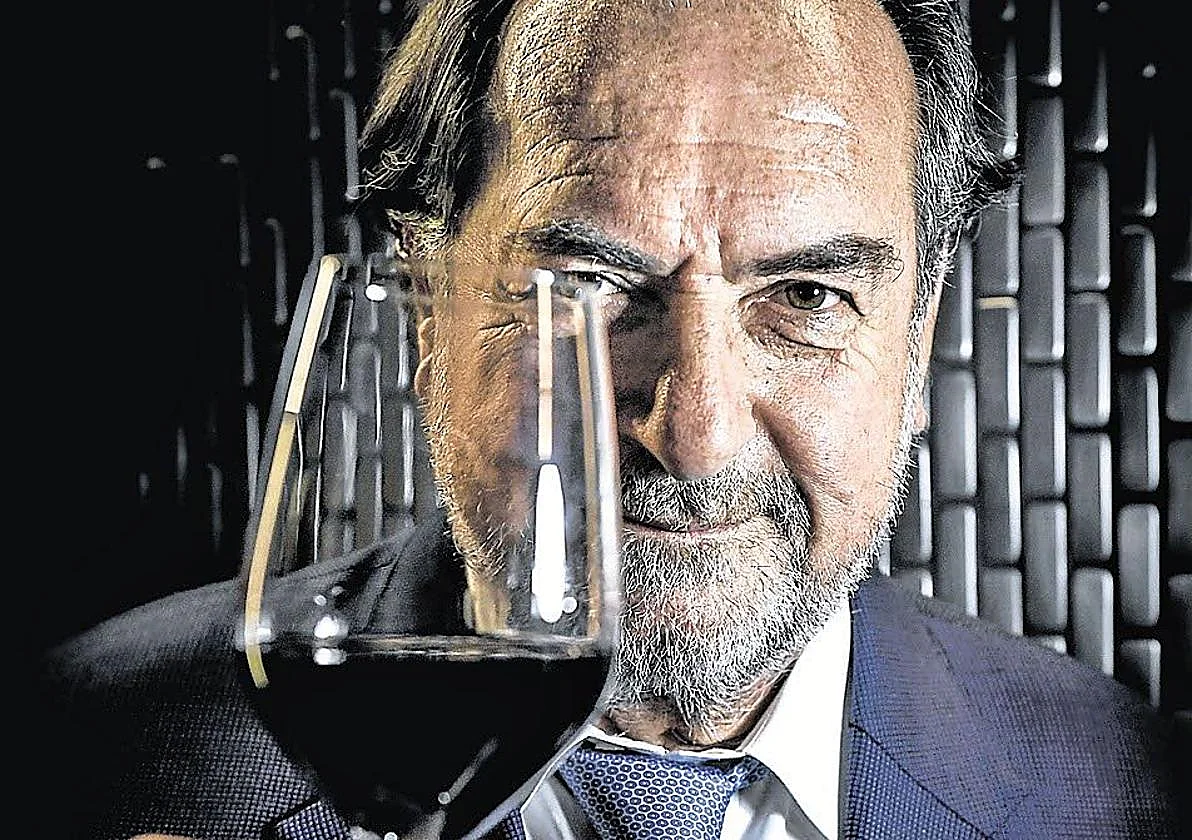
The death of Michel Rolland last week marks the passing of the most famous of a curious modern breed: the 'flying winemakers.' He was not tied to a single producer, but advised more than 150 wineries in 20 countries, shuttling between hemispheres to catch successive harvests.
So what do these globetrotting consultants do? In essence, they are high-level problem-solvers. A flying winemaker, once contracted, arrives at a property, assesses the wines, inspects vineyards and cellars, and then prescribes future policy: when to harvest, how long to macerate, how much new oak to use, how to blend, etc. Rolland's particular genius lay in the final act -blending - where, as one colleague put it, "the last five per cent makes the difference between the good and the great". They also act as communicators of style. In the 1990s and 2000s, Rolland helped popularise rich, ripe, polished 'international styles' that pleased critics and consumers alike. Even the notorious Robert Parker was impressed. For ambitious wineries in Argentina, Napa or Spain, hiring him was rather like hiring a star architect: you bought his expertise, but also his reputation.
Wine of the week
Finca Enguera Rosado 2020 Pleasant little wine from a family bodega in the Valencia region, tending to throw a small sediment even when young Excellent all-rounder. Needs some searching out but worth the effort. Around ten euros.
Top consultants charge substantial fees per contract, these consisting of multiple visits per year, and may advise dozens of bodegas simultaneously. Add to this equity stakes, joint ventures and their own labels and the income becomes formidable. Rolland himself built a global consulting empire alongside his own family estates. In short, the flying winemaker delivers three things: palate, experience and prestige -all scarce commodities, and therefore very expensive.