Food and drink
Healthy eating? 69per cent of fruit consumed in Spain contains pesticidesMoreover, 46 per cent of all food consumed in Spain contains pesticide residues, according to official data from the Spanish agency for food safety and more (Aesan)
Añádenos en Google Fruit is the food with the highest presence of chemicals. (EFE)M. Gallardo
Madrid
20/05/2026 a las 13:22h.Some concerning statistics published this week: 46 per cent of all food consumed in Spain is contaminated with pesticides. This percentage rises to 69 in ... the case of fruit, according to the latest report published this Tuesday by one of Spain's biggest environmental groups - Ecologistas en Acción - on how such chemicals affect our bodies, especially our hormones.
The main aim of the report is to highlight the population's high exposure to pesticides through commonly consumed foods and to demand action to protect public health and the environment.
Based on the results of the latest analyses available from the pesticide residue monitoring programme, run by the Spanish agency for consumer affairs, food safety and nutrition (Aesan), on food consumed in 2024, the organisation found residues of 127 different pesticides.
These included 59 substances not authorised in the European Union, 48 endocrine-disrupting pesticides that affect the proper functioning of our hormonal systems at very low levels, 14 PFAS pesticides (nicknamed "forever chemicals" due to their persistence) that are linked to serious health problems and 15 'candidate for substitution' substances (substances that must be replaced by safe alternatives due to their serious carcinogenic, reproductively toxic, endocrine-disrupting, persistent, generally toxic and bioaccumulative effects.
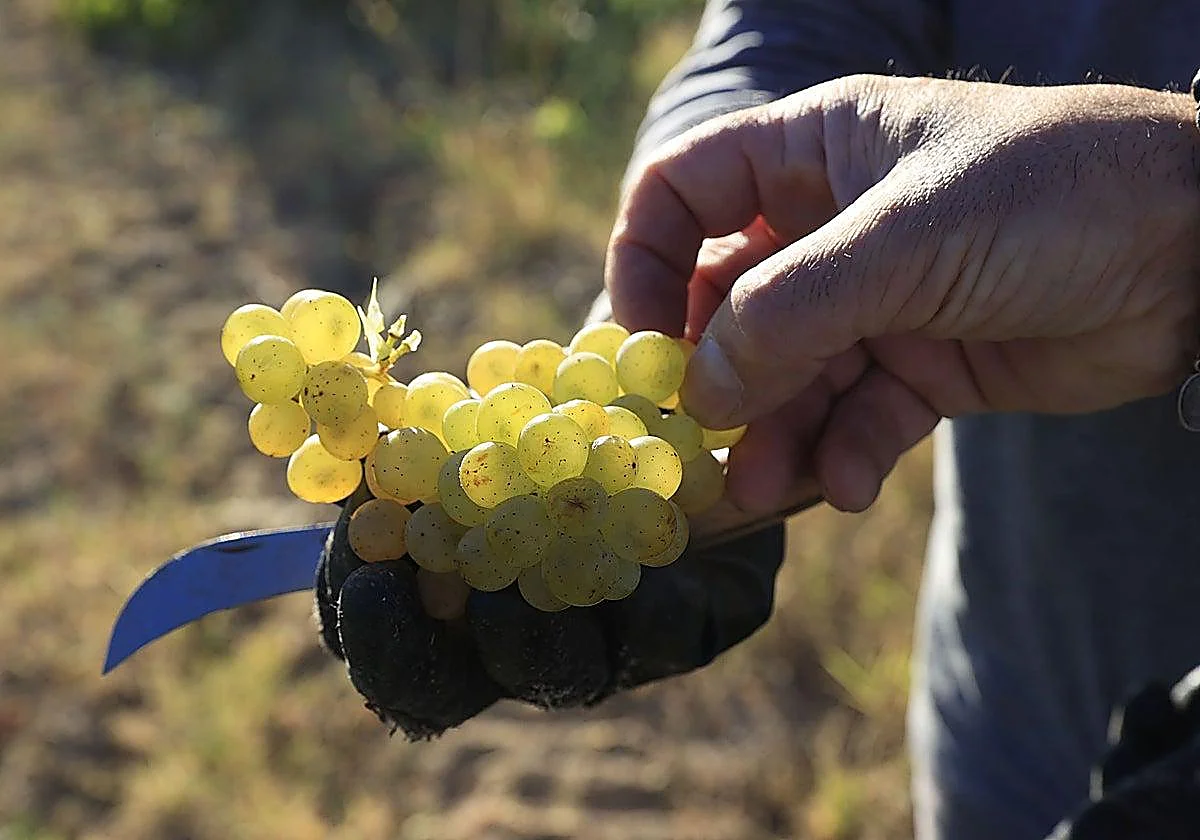
According to Kistiñe García, one of the study's co-authors: "It is worrying that 32 per cent of food samples show multiple pesticide contamination, with extreme cases such as eight samples with more than ten substances apiece, or a single grape with 14 different pesticides."
This scientific community has already issued warnings of the high risk to public health posed by exposure to multiple pesticides, whose combined effect is neither anticipated nor properly regulated, thus leaving the population unprotected.
Ecologistas en Acción recommends consuming locally-produced foods, 61 per cent of which are pesticide-free. That percentage is more than double that of imported foods, where only 28 per cent are free of toxic substances. They also recommend eating more seasonal foods, which are more flavourful and contain fewer pesticides used for preservation. Among these pesticides, the fungicide imazalil stands out as an endocrine disruptor and the most frequently detected substance in food.
Calls for more controls
According to Koldo Hernández, another of the study's co-authors: "Whenever possible, it is preferable to choose organic foods, although we must not forget that the goal is for all foods, not just organic ones, to be pesticide-free."
"Achieving pesticide-free food will not be possible if the Ministry of Agriculture, Fisheries and Food does not financially support farmers who make the switch to pesticide-free production, enabling them to live a dignified and healthy life while protecting biodiversity and food sovereignty," warned this environmental organisation. Furthermore, they continued, Spain must prevent food from containing unauthorised pesticides by improving its food safety system.
As a final point, Ecologistas en Acción warned of the danger to health and nature posed by the unlimited approval of pesticides in the Food and Feed Omnibus proposed by the European Commission (an initiative to streamline food safety legislation across member states), which could result in at least 13 active substances being present in 17 per cent of Spanish food.
The European Food Safety Agency itself claims that there is a safe alternative to the unlimited approval of pesticides: simply that the European Union provide more resources for the evaluation process.