Zoom
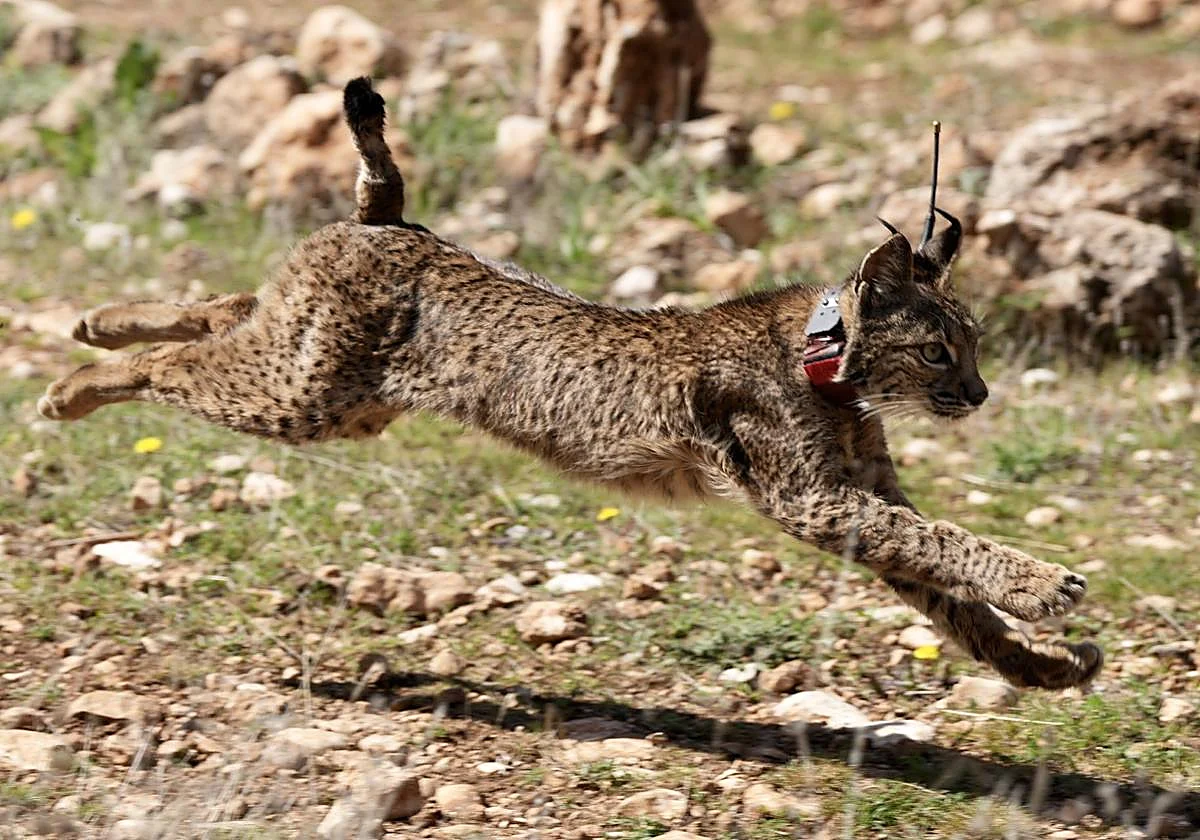
Release of a lynx bred in captivity. Efe | Junta de Andalucía Nature Iberian lynx in Andalucía: baby boom in DoñanaBreeding-in-captivity programme gains an academic boost to its profile with the announcement of the 'Doñana Chair' at the University of Huelva to promote further innovation
Seville
Wednesday, 18 March 2026, 10:38
Mother nature has not failed to deliver this year. The El Acebuche breeding centre, in the heart of Doñana National Park, witnessed the birth of six lynx kittens (also known as lynxets) this past weekend. Three for each mother, half a dozen hopes for a species that, year after year, struggles to fight off the threat of extinction.
The first in the delivery room was Utopia on Friday 13 March. This female - born in Zarza de Granadilla, Extremadura, just three years ago - gave birth to her first three offspring after mating with Juglans.
The celebrations continued. Just twenty-four hours later, on Saturday 14, Umbrella decided that it was also her time. Paired with Junquiño, this female, born in El Acebuche in 2023 and daughter of Madroña and Retinto, completed the baby boom with another three kittens. Six lynxets in one go, keeping hard at work the experts from the ministerial agency in charge of Spain's national parks (OAPN).
Although these are the first births in Doñana for 2026, the breeding season officially began on 6 March at the Granadilla breeding centre where Hubara, a 15-year-old veteran, gave birth to two kittens. This entire process is the result of several months of intense activity at the centres. The ex-situ breeding programme (the breeding of lynxes outside of their natural habitat) saw its first matings of the season in the last week of 2025, featuring the pair Juromenha and Tintín.
This mating cycle, which typically runs from December to February, is the foundation on which the future survival of this big cat rests. Thankfully, the numbers show that it's working: 2025 was a record year, with 62 lynxets born across the whole network of centres in Spain and Portugal. Of those, 48 are still alive today, confirming a positive trend that surpasses the figures of previous years.
The 'Doñana Chair' is born to boost innovation
Doñana now has an academic chair dedicated to promoting innovation, knowledge transfer and collaboration among institutions, companies and social stakeholders for this natural area and its surroundings. The 'Doñana Chair' was officially announced and presented on Monday by the University of Huelva as a tool to advance innovation and create synergies for the conservation and sustainability of this World Heritage Site. The initiative is part of the Doñana Terra Innova project, funded by the Ministry for Ecological Transition in Madrid through the CDTI (centre for the development of industrial technology), which aims to transform the area into a leading centre for the circular economy, biotechnology and sustainability. The Vice-Rector for Territorial Transfer and Development at the University of Huelva, María Reyes Sánchez, stated that "the chair is part of a set of instruments included in the project, which also includes a Living Lab and an innovation observatory".She explained that "this chair aims to consolidate the Doñana area as a leading centre in fields such as the circular economy, biotechnology, water reuse and other areas related to sustainability". She also announced the creation of a common forum where all participating stakeholders can share needs, proposals and initiatives, adding that "the goal is to integrate all those interested in the development of the Doñana area, including businesses, local councils, institutions and social partners, both from Huelva and other regions involved with this area. As for the University of Huelva, this chair will be a specific instrument to boost academic participation in the project and will have a chair council with equal representation from both the university and faculty members."