Urban planning
Malaga expedites special plan modifications to finally approve works in the historic centreUntil now, the city council has required the approval of the regional government to carry out any developments in the centre
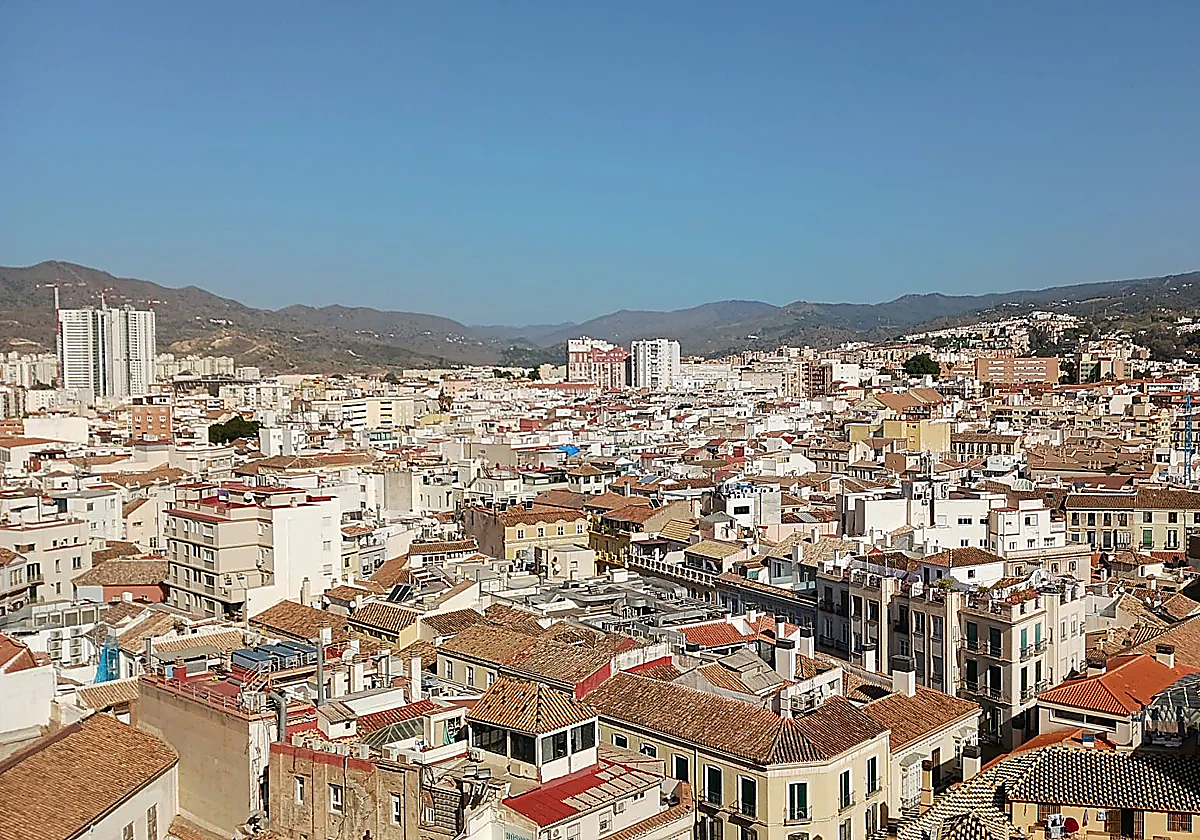
Añádenos en Google Malaga city's historic centre. (SUR)Jesús Hinojosa
03/06/2026 a las 13:15h.Malaga city council has taken a decisive step that will expedite building permits in the city's historic centre in the coming years. The municipal urban planning department launched a tender for the drafting of the special protection plan for Malaga's historic centre on Wednesday, with a budget of 839,110 euros and a completion timeframe of 26 months.
This is a procedure that the Andalusian regional government has been demanding for more than a decade, as it involves replacing an old plan with a new document adapted to Andalusian law.
This would allow the regional government to delegate to the city council the authority to directly approve any construction project in the city centre, provided it does not affect monuments, historic gardens or archaeological sites.
Related story
Planning
Jesús Hinojosa
This will significantly reduce the workload of the regional ministry of culture, as well as speed up projects for the city council. Currently, the regional government must approve all work involving demolitions and monuments, even if they are of minor importance, from the renovation of a premises or a house to the pit of an elevator or a small electrical connection.
Failed attempt in 2014
More than ten years ago, the regional government informed the city council that it had the obligation to adapt the planning of the historic centre to Andalusian law.
The municipal urban planning department even approved in October 2014 an advance of the revision of the special plan (already obsolete after its preparation in 1989) to update and adapt it.
However, the local ruling team did not follow those initial steps over time until the city council initiated the procedure in 2018 to contract a review of the catalogue of protected buildings. Successive legal appeals halted it until urban planning issued a ruling in favour two years ago.
From that moment on, the city council has had full autonomy. The development of a new urban plan for the centre of Malaga will not only expedite a significant number of building permits, but also unblock projects that the legal dispute between the regional government and the city council have hampered for years.
The two institutions disagree on whether to maintain the original urban layout. The adaptation of the special plan would resolve this conflict.
An example of this is the recent halt to a medieval ceramics interpretation museum near the church of San Felipe Neri. This project involves consolidating eleven plots of land across two sites bordering Calle Chinchilla (a sloping pedestrian street that connects the church with Calle Alta). The regional ministry of culture has issued a negative report on the project.
However, it will take more than two years for the new urban development plan to come into effect. The contract requires the company that develops the plan to also carry out a public participation process "in order to publicise it and analyse suggestions from the public".
Furthermore, the company will have to prepare the documentation for the environmental authorisation procedures, which can be a lengthy process.