Housing
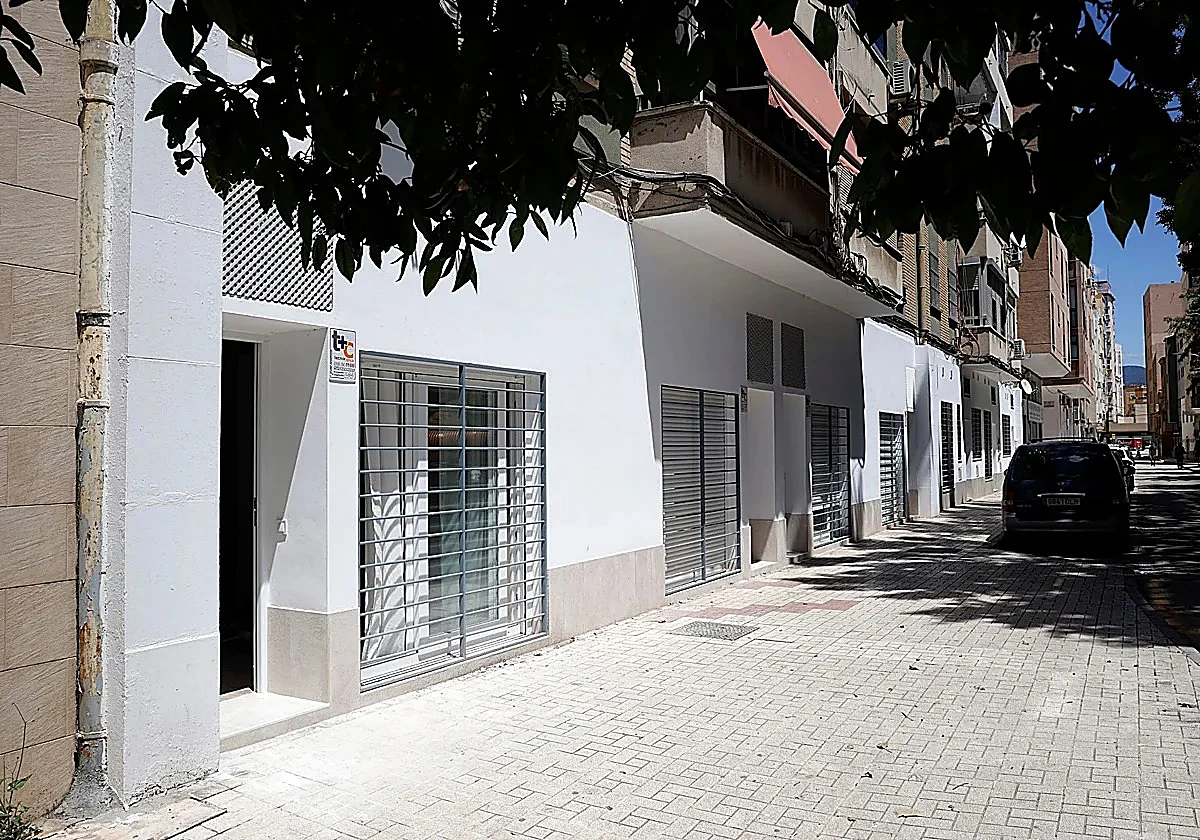
Malaga quadruples conversion of commercial premises into housing units in MayThe urban planning department approved licences for 48 ground-floor flats last month, despite the announcement of the future moratorium
Añádenos en Google Commercial premises converted into homes in Malaga. (Migue Fernández)Jesús Hinojosa
Malaga
09/06/2026 a las 14:06h.The trend of converting commercial premises into housing continues surging in Malaga. In May alone, the municipal urban planning department approved a total of 48 residential units in the ground floors of buildings.
This is four times higher than the eleven homes in commercial premises in April and more than double the 21 in March. It also surpasses the 38 in February.
May was also the month when the city council announced a moratorium to regulate this phenomenon.
Two arguments underpinned this measure. First, the progressive loss of commercial space in some neighbourhoods disrupts the balance of uses. Second, there is suspicion that many of these flats in commercial premises end up being used as tourist rentals.
The current moratorium on tourist flats in Malaga theoretically bans them in any part of the city, including upper floors and ground-floor commercial spaces. However, if such a conversion results in three or more new dwellings, the owner can obtain permits from the city council and the Andalusian regional government to operate them as a group of tourist flats.
Mayor Francisco de la Torre told SUR that the number of commercial premises converted into housing in Malaga was already "sufficient". More than 1,000 homes have emerged from ground-floor commercial spaces since 2024, the year that saw a veritable boom in this type of transformation (with more than 400 permits).
Professional associations in the fields of architecture and construction engineering in Malaga met the city council's initiative to curb and regulate the conversion of commercial premises into housing with mixed reactions. While the association of architects supports the measure, the association of technical architects opposes it.
Finally, the city council decided to reverse its initial plan to temporarily halt the conversion of commercial premises into housing. Instead, it intends to implement a one-year moratorium on the approval of new tourist flats and hotels with fewer than four stars in the city.
This moratorium will take effect following the approval of an amendment to the general urban development plan (PGOU) to regulate tourist uses in the city, which currently operate without any restrictions.
The reason for the current hotel and tourist flat frenzy lies in the regulations of the current PGOU, which considers hotel use as "compatible and alternative to residential use", provided that it has independent access and supplies if it is developed in a residential building.
This has led the city council to grant building permits to all types of flats or hotel businesses as long as they are developed on a plot of land or in a building zoned for residential use.
Some owners of commercial premises have taken this route to convert them into holiday rentals. The local ruling team want to prevent this and ensure that any housing units created on the ground floors are for permanent rental.
There is no date set for the new tourism moratorium, but the intention of the municipal authorities is to approve it as soon as possible.