Housing
Malaga upholds landlord's right to recover flat and evict tenant after 54 yearsThe court considers it proven that the woman wants the flat so that her daughter could move there and emancipate herself
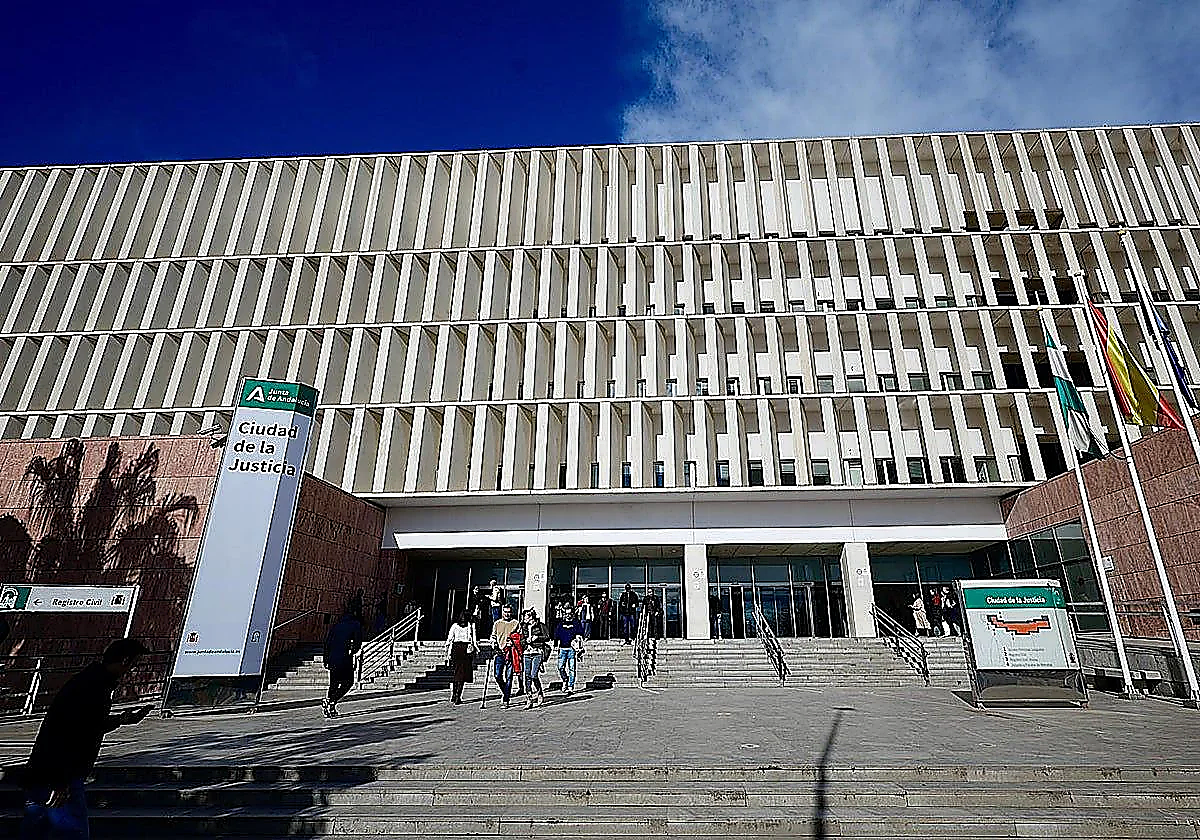
Añádenos en Google The courts in Malaga. (Migue Fernández)Susana Zamora
Malaga
25/05/2026 a las 11:52h.The provincial court in Malaga has upheld the eviction of a tenant from a flat in the city centre after more than half a century of him renting it. According to the ruling, the landlord has the right to recover the flat to allow her 25-year-old daughter to move there and emancipate herself.
The tenant lived in the flat under the protection of an old law that shielded thousands of contracts with mandatory extensions and reduced rents. The case entered the courts when the landlord said she wouldn't renew her tenant's contract and asked him to leave, so that her daughter could move in.
The resolution analyses one of the conflicts that often arises under the old law: the clash between the tenant's right to remain in their home and the owner's right to recover the property due to family need.
Related story
The court initially rejected the landlord's request, stating that she had not proved a genuine need for the recovery of the flat and the daughter's move. It requested more documentation, which she provided for further review.
The new ruling upholds her appeal and the tenant's eviction.
Background
The landlord's daughter was working, had her own income and wanted to leave the family home to start an independent life. She had been living with her mother, her mother's new partner and the children from that relationship since 2014.
After the initial rejection, the court's final ruling states that the desire to become independent, when there is economic autonomy and a serious intention, constitutes sufficient grounds to terminate a lease under the old rent control system.
The ruling says that the desire to have one's own home cannot be considered a mere "whim". Instead, family independence constitutes the "normal way of life". The law protects young people with sufficient financial resources and the desire to become independent.
The ruling reiterates that "no one should be forced to live with someone they do not want to", which includes the desire to leave the family home and become independent.
The question was whether the daughter would really move to the flat, which she and her mother proved to the court.
The former tenant stated that he had lived in the flat for over 54 years and that leaving would cause him serious financial and personal harm. He said that he could not afford another flat in the centre of Malaga.
In such cases, however, the Supreme Court stipulates that "the owner's right must prevail over a lower-ranking right such as a lease". The ruling says that comparing the needs of both parties cannot preclude the owner from exercising their right when that need is proven.
The landlord has another flat
The ruling also dedicates several sections to rejecting the existence of fraud or abuse of rights. The tenant stated that the owner had another property and therefore did not need to recover the flat where he lived.
However, the court considers it proven that this second flat is for tourist purposes, not residential use. The ruling states that the second flat cannot meet the needs of a permanent inhabitant.
The ruling states that the law protects the tenant if the property is not ultimately occupied by the person for whom it was claimed. The decision protects the tenant's right to reclaim the flat and potential compensation if the owner's daughter does not move in or if the property is ultimately transferred to a third party.
Finally, the provincial court upheld the appeal and declared the lease agreement signed on 1 August 1970, terminated. It ordered the tenant to vacate the property and hand over the keys to the owner, with the warning that he would be evicted if he did not leave the property voluntarily.
The ruling is not final and the defendant can lodge an appeal before the Supreme Court.