Zoom
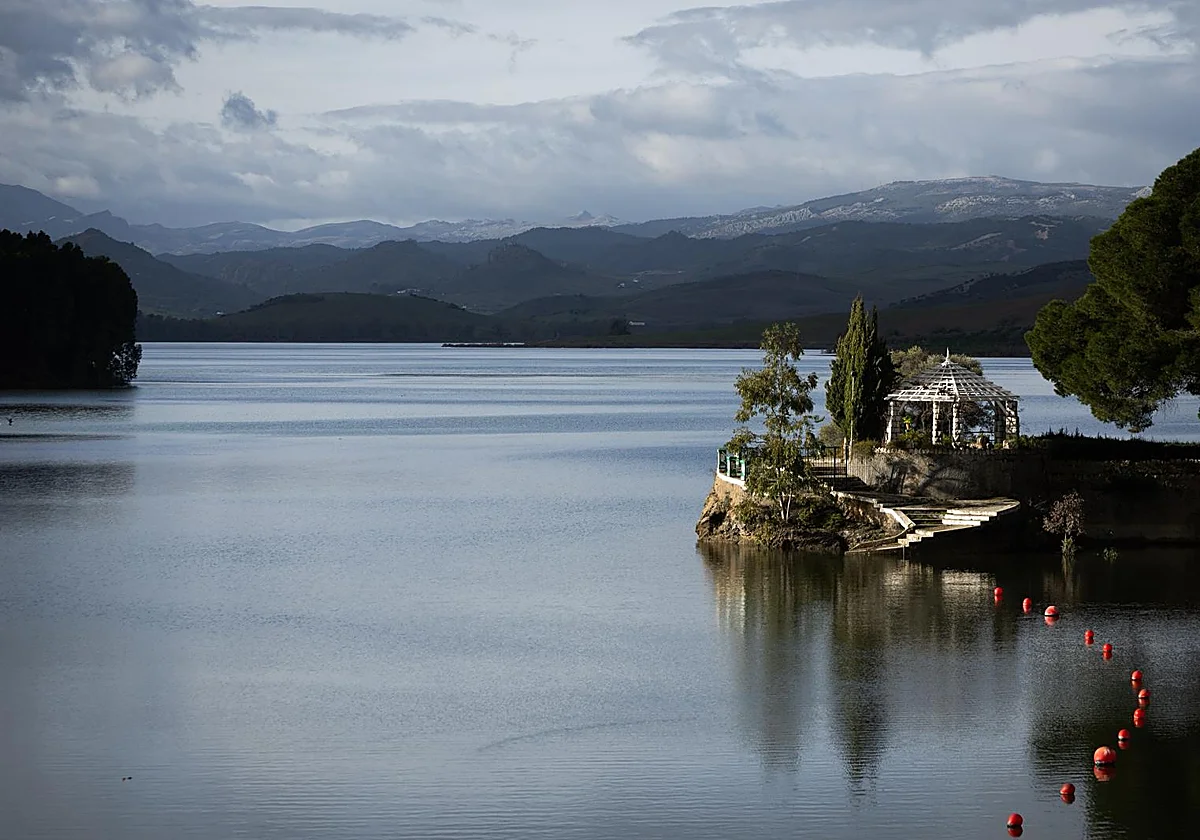
Conde del Guadalhorce reservoir. Ñito Salas Water welfare Malaga water: Costa del Sol capital secures annual supply after 24 hours of rainFive dams are currently releasing water and reservoirs are at over 80% of storage capacity, compared to 45% two months ago
Friday, 6 February 2026, 11:59
Water reserves in Malaga province reached the equivalent of the city's annual demand in just the 24 hours between Thursday and Friday. In light of the floods affecting various municipalities in the province, with thousands of people evacuated, this could be the only positive consequence of storm Leonardo.
The state meteorological agency (Aemet) forecasts more rain over the weekend, with a short respite on Friday, when storm Marta takes over from Leonardo.
At midnight on Thursday, the water stored in the province amounted to 404 million cubic metres. Over the following 24 hours, it added 47 million cubic metres, which is essentially what Malaga city needs in an entire year, residents and tourists' needs included.
47
million cubic metres is what Malaga city needs to supply residents and tourists in a year; the same amount joined dam reserves in just 24 hours
The reservoir that benefited most from this boost (+17 million cubic metres) was the Guadalteba, fed by the spectacular flooding of the river of the same name, which wreaked havoc in the district of Huerta de las Cuevas, in Teba. The other notable increase was at La Viñuela (nine million cubic metres).
Spectacular increases have taken place even in the La Concepción and Conde de Guadalhorce reservoirs with their floodgates open.
Capacity vs inflows
In just over two months, provincial reservoirs have gone from 277 million cubic metres and being at 45 per cent of their capacity to close to 500 million cubic metres and exceeding 80 per cent.
These numbers are still lower than the actual amount of water brought by storm Leonardo, as some dams have been draining almost without stopping to prevent floods.
It is difficult to estimate how high levels would have been if the reservoirs had not been releasing water. In any case, the province has enough water in storage for three to four years, even without taking into account aquifers and wells.
In periods of such intense rainfall, dam technicians must find the optimum point between supply demands and safety thresholds. Draining the reservoirs also involves measuring and controlling what happens downstream, with floodgates strategically opening and closing.
While Malaga's reserves were below 100 million cubic metres a year and a half ago, now they are approaching 500, even as five of them are draining.