Health
Marbella hospital patient awarded compensation for hernia treatment malpractice that left her with amputated fingers and toesThe High Court of Justice of Andalucía (TSJA) has concluded that the health authorities had not acted diligently and dismissed their appeals
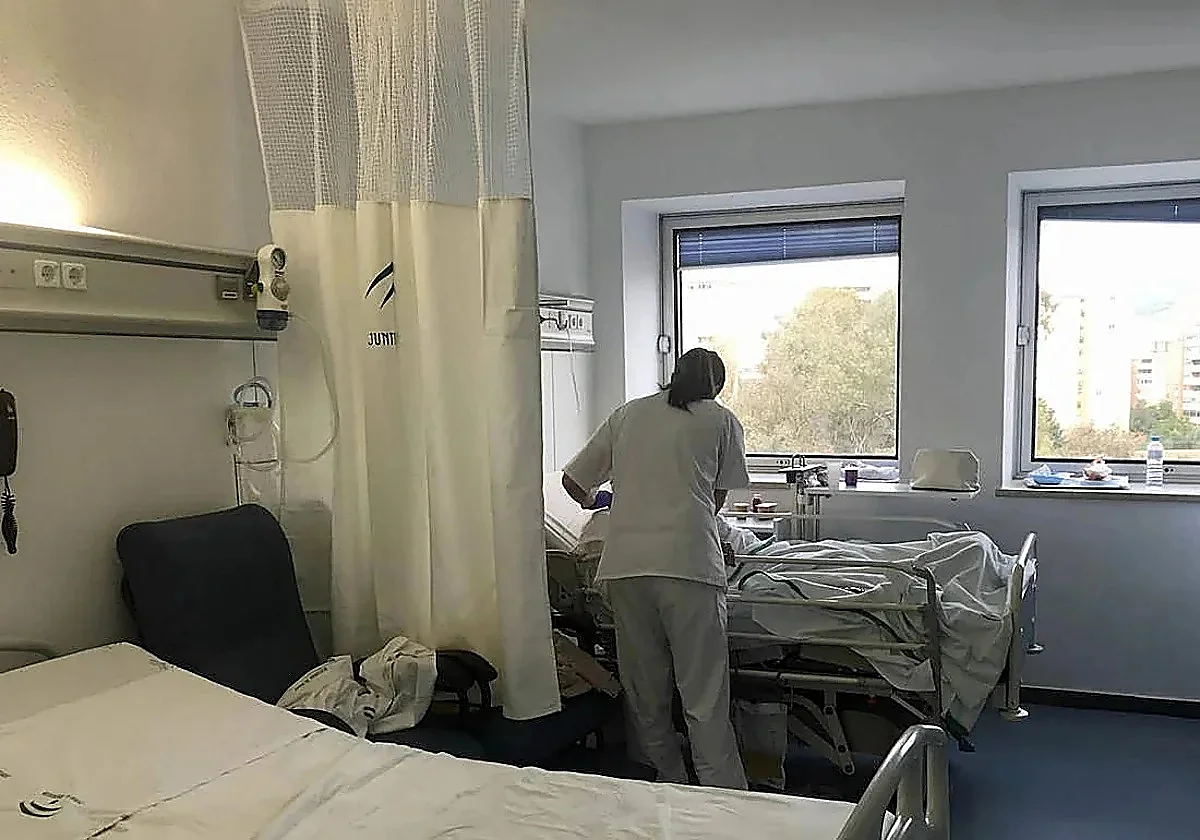
Añádenos en Google Archive photo of a hospital room in the Andalusian health system. (SUR)Susana Zamora
16/06/2026 a las 10:19h.A delayed surgery for a hiatal hernia left a woman with life-changing injuries, including the amputation of several fingers and toes plus some partial amutations.
Now a court has upheld a 340,000-euro compensation award against the Andalusian health service (Sas).
The High Court of Justice of Andalucía (TSJA) has confirmed the ruling against the Sas after finding that the care the patient received at Marbella's Costa del Sol hospital fell short of the required medical standards and directly contributed to the severe consequences she suffered.
The court has therefore dismissed the appeals the Sas and its insurer, Mapfre, had lodged.
The case dates back to September 2012, when doctors began treating the patient for digestive problems. Tests revealed a large hiatal hernia. Doctors initially opted for medication and the treatment continued for more than a year.
However, evidence presented during the court proceedings showed that her symptoms persisted. She continued to suffer recurring episodes that led to repeated visits to healthcare services and emergency departments.
Hernia perforation
The situation reached a critical point in November 2013. After several visits to the emergency department at Costa del Sol hospital with ongoing pain and discomfort, the hernia became strangulated and perforated, triggering a life-threatening medical emergency that required urgent surgery.
The consequences proved devastating and left her with serious permanent disabilities.
The central issue in the case concerned expert medical evidence. While specialists acting for the health authority argued that doctors had followed the appropriate protocols, the court-appointed expert and the claimant's medical expert concluded that the treatment had not suited the nature of the condition.
The judge at first instance placed greater weight on the court-appointed expert's findings, a decision the TSJA has now endorsed. The ruling states that the report showed "clearly and convincingly that the care provided to the claimant failed to meet the requirements of accepted medical practice".
According to that assessment, the patient's hernia required surgery because of the high risk of complications. The experts also found that conservative treatment had failed to improve her condition and that her continuing symptoms called for a different approach.
The court noted that the medical literature examined during the proceedings recommended surgery for symptomatic patients unless significant contraindications existed.
The judges also agreed that doctors delayed taking the appropriate measures. They highlighted the fact that the patient attended Costa del Sol hospital's emergency department on 9 November 2013, just one day before the event that ultimately led to emergency surgery. Doctors discharged her and sent her home.
Only 26 hours later, she returned to hospital in a critical condition and underwent emergency surgery.
The court found that the treatment she received was inadequate. The ruling concluded that doctors made "an error in diagnosis and in the choice of medical treatment" and established a direct link between the healthcare provided and the injuries she ultimately suffered.
Rejected appeals
The Sas said that its medical staff had acted appropriately and that the course of the illness had been unpredictable. It also maintained that surgery was not necessarily the best option because it carried its own risks and potential complications.
According to the health authority, choosing a less invasive approach represented a reasonable medical decision and the hernia strangulation resulted from the natural progression of the condition.
The judges rejected those arguments, stressing that they should only overturn a lower court's assessment of the evidence if it was "illogical or arbitrary", which they found was not the case.
Mapfre also challenged the amount of compensation awarded. The insurer said that the figure should be reduced because a planned surgical procedure would also have involved hospitalisation and possible complications. It further claimed that part of the moral damages had already been reflected in the compensation awarded for permanent injuries.
The TSJA dismissed those arguments as well. The court upheld the compensation, including 100,000 euros for moral damages. The judges highlighted the profound impact the injuries had on the woman's life. She spent months in a wheelchair and required constant assistance with everyday tasks.
The ruling notes that she suffered severe functional impairments, including the amputation of several fingers, toes and phalanges on her hands and feet, injuries that permanently affected her quality of life.