Nature
Marine plants grown in greenhouses in Rincón de la Victoria to be planted in the Mediterranean this summerThis pioneering project aims to restore the ecosystem at El Cantal using Cymodocea nodosa and to extend it along the rest of the coast
Añádenos en Google Cymodocea nodosa, in the saltwater tanks of the greenhouse in Torre de Benagalbón. (SUR)Rincón de la Victoria
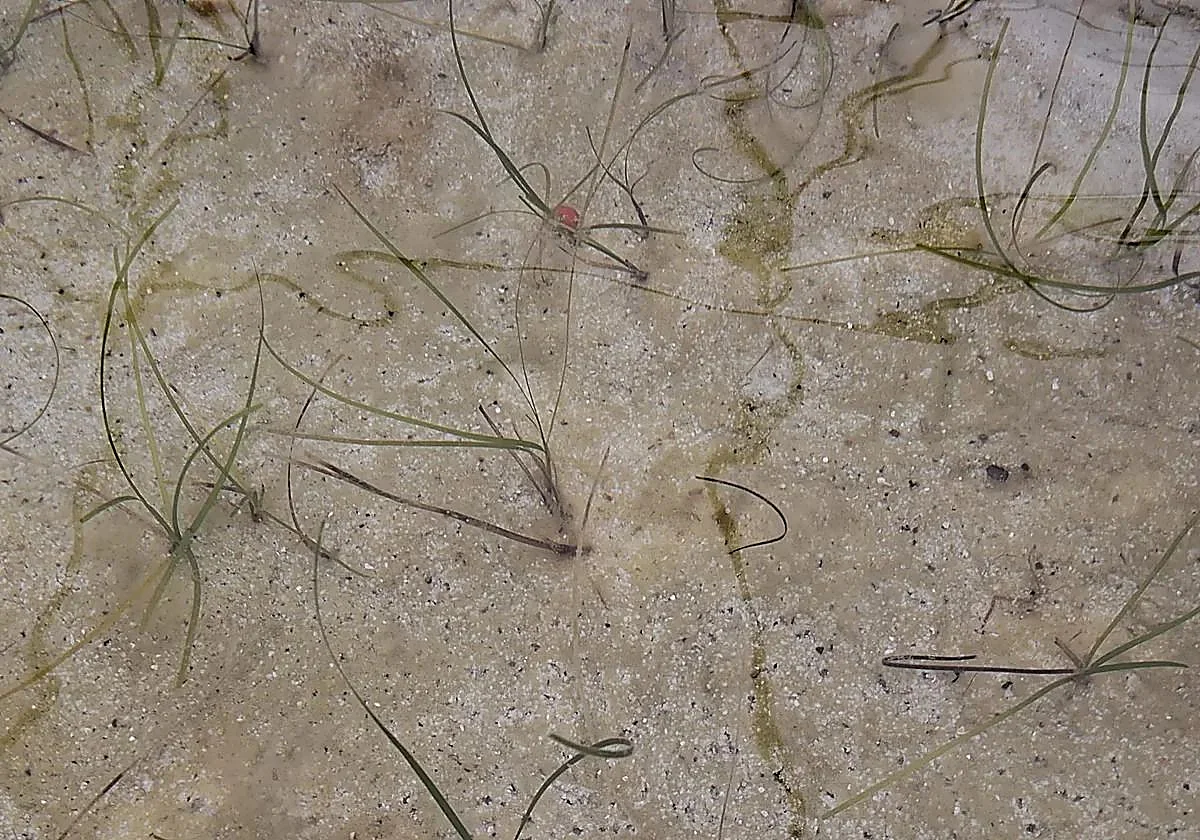
22/06/2026 a las 13:04h.A municipal greenhouse in Torre de Benagalbón (Rincón de la Victoria) on the eastern Costa del Sol, has, since the beginning of 2025, been the ... setting for an experiment; a pioneering project involving the cultivation of a plant outside its natural habitat, which, in this case, is the seabed.
The species is Cymodocea nodosa and the aim of this project is to reintroduce it into the Mediterranean Sea of El Cantal, between La Cala del Moral and Rincón de la Victoria. Subsequently, once the mechanisms required for its success are understood, the aim is to scale up the project to other locations along the Costa del Sol.
The reason? To restore the seagrass beds along the Costa del Sol, a form of marine vegetation that is under threat due to human activity which, combined with other factors, leads to an increase in nutrients and reduced light levels, preventing the seagrass from photosynthesising.
If it is returned to the seabed, the Mediterranean's ecosystems will also improve. That is the premise behind this pioneering initiative, which is the result of collaboration between Rincón de la Victoria town hall, public water company Hidralia and the University of Malaga (UMA).
UMA lecturer Paco Franco Duro, has reported that following the positive results of greenhouse cultivation of the phanerogams, returning them to their natural habitat on the Mediterranean seabed is now imminent and will take place no later than this summer. He explained that the number of phanerograms has increased by 40 per cent compared with the number at the start of the programme, even though they do not usually thrive under in vitro conditions.
Percentage
40%
Increase
The successful results of greenhouse cultivation of phanerogams have led to a 40 per cent increase compared with the numbers at the start of the programme, when they typically do not thrive under in vitro conditions
Franco Duro explained that the necessary permits have already been submitted to the central and regional authorities and a study has already begun to determine the best time of day for the return of Cymodocea nodosa to the sea.
One of the key factors is the weather conditions at the time of the planting, so those responsible for this task will use tools such as 'Oceanaria' to forecast sea conditions up to five days in advance. This is an app and website developed by the UMA, with European Next Generation funding.
Once the suitable location and the right time have been decided, a team of divers will transport the Cymodocea nodosa to El Cantal, in the hope that it will reproduce.
From Carboneras
The plant will make the reverse journey to the one it undertook when it left Carboneras, on the coast of Almería, some 250 kilometres from Rincón de la Victoria. That is where the 150 bundles came from before reaching the saltwater tanks at the Torre de Benalgabón greenhouse, where conditions are maintained with pinpoint precision to ensure the plants remain alive and thrive.
The choice of this species is due to the fact that it is much more stable than other species typically found in seagrass beds, such as Posidonia oceanica, which is key to implementing a systematic recovery strategy since it is easier for the latter to establish itself. This should result in the sandy areas becoming more robust – a factor that also helps to mitigate the effects of storms.
Seagrass beds improve water quality by increasing oxygenation and trapping clay and silt and therefore ensure the sea remains crystal-clear, which in turn promotes greater biodiversity, as Franco Duro explained.