Zoom
Dilip Kuner
Friday, 27 March 2026, 12:26
When I first moved to the Costa del Sol, I'll admit I was an "Easter egg and bank holiday" kind of person. But living in Spain has made me rethink the whole Semana Santa thing.
This may seem strange to say but, in Malaga, it actually is not all about religion - despite what the locals might tell you themselves.
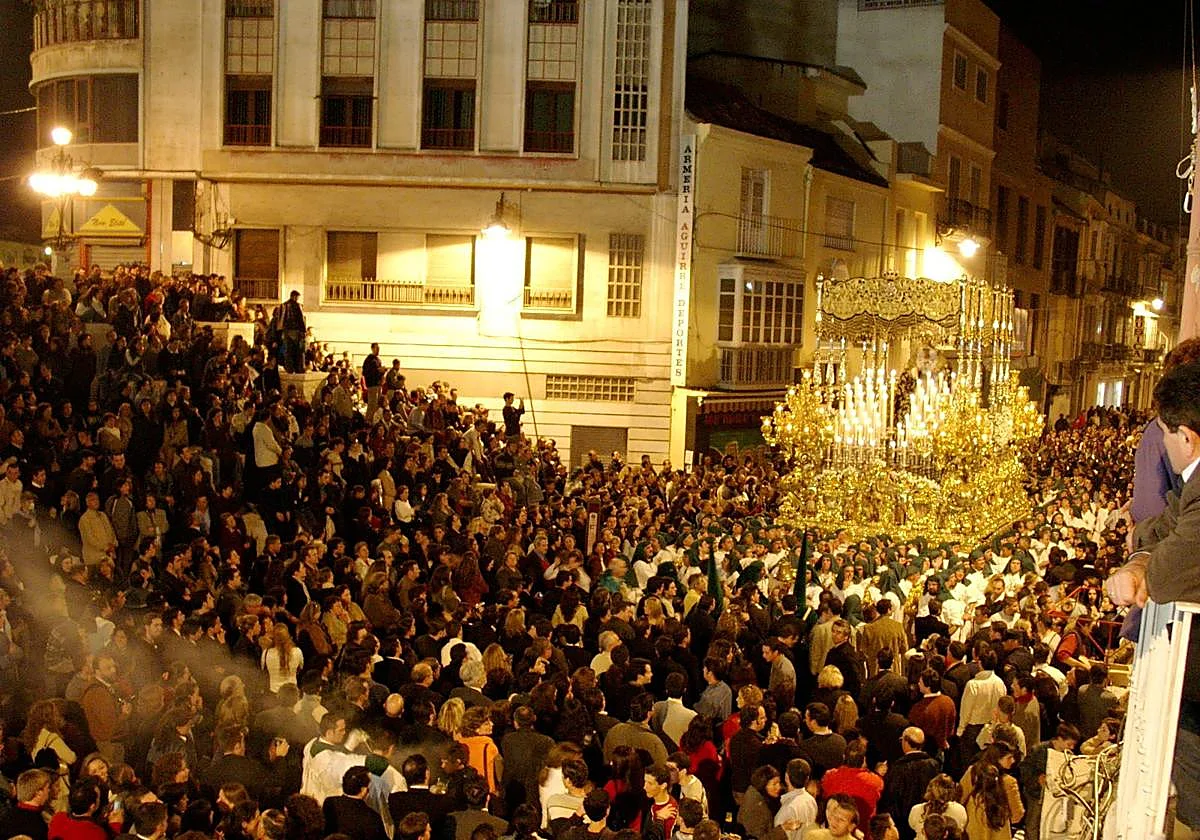
Of course it is devout. Of course Christ and the Virgin Mary (and definitely their 'images') are at the forefront. But you can not truly understand until you've stood on a crowded Malaga street at midnight, the air thick with incense, and watched a literal couple of tonnes of silver and gold sway past, often serenaded by a mournful song.
For the uninitiated, the sheer scale of the tronos - the massive floats carried by hundreds of hombres de trono - is staggering. But what strikes me most isn't the opulence; it's the profound, multi-generational connection the Spanish have with this tradition. The way the crowd moves as one, the rhythmic shuffling of feet and the sudden, breathless hush when a heavy throne is hoisted skyward is something no holiday brochure can ever truly capture.
And it's not just Malaga. In towns like Marbella and Fuengirola, you can see toddlers in miniature tunics and grandmothers clutching rosaries, all waiting for a specific Virgin or Christ to pass. To the Spanish, this isn't just "religion" in the way we might define it in a drafty UK parish. It is identity. It is a public display of belonging to a community and a family history. Even for the most secular locals, these figures are "theirs", representing the very neighbourhood where they were born and raised.
There is a Spanish stoicism on display here - the physical grit required to carry those floats for hours on end is a point of immense pride. It reflects a culture that isn't afraid of "pathos" or public emotion. When the Saeta (a mournful, improvised flamenco prayer) is sung from a balcony, the silence that falls over thousands of people is bone-chilling. It is raw, unfiltered and deeply human, bridging the gap between the divine and the dusty pavement.
To live here is to realise that for the locals, Easter isn't a "show" put on for us expats or the tourists. It is a collective heartbeat. It's a reminder that beneath the modern, sun-drenched surface of the coast lies a deeply traditional soul that values endurance, devotion, and, above all, the shared experience of the street.
It teaches us that some things are worth carrying, no matter how heavy the burden. Watching these men and women sweat, weep and endure together offers a rare window into the resilient, passionate heart of Andalucía, of which religion is just a part.