Health
One in five Malaga province residents cannot book GP appointments when they need themThe Andalusian regional government has once again declared the data presented by the SAS retirees' group unreliable
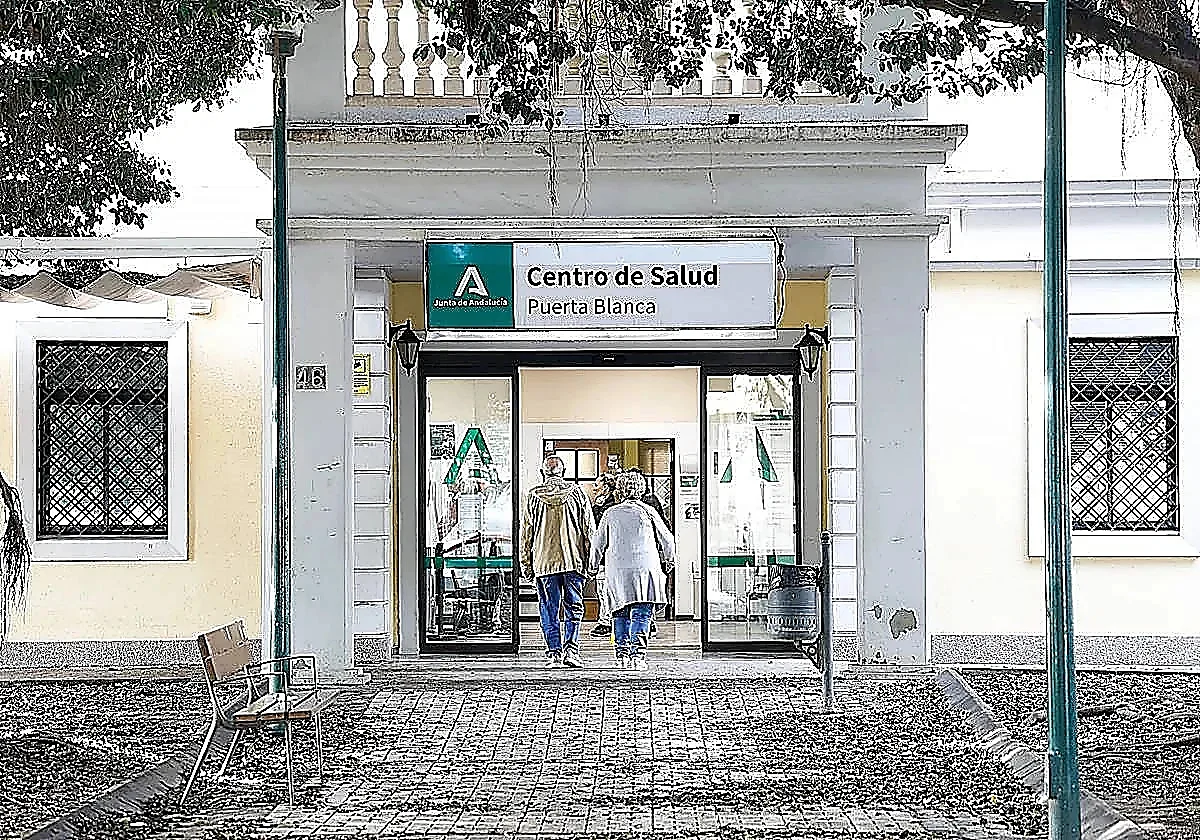
Añádenos en Google The Puerta Blanca health centre in Malaga. (Marilú Báez)José Antonio Sau
19/06/2026 a las 14:56h.The third study conducted by the Andalusian association of retired healthcare workers concludes that the residents of Malaga province wait an average of 8.4 days to see their GP after submitting an official request through the Salud Responde app.
This data was collected between 10 and 12 June.
Furthermore, 21.23 per cent of requests in that period did not yield any available appointments. In other words, "more than one in five residents who tried to request a consultation did not find an available date" in the system at the time of their search.
The Andalusian regional government claims that the data "does not reflect reality".
According to the study, the data in the province varies by area: in Malaga city, for example, the average wait is 8.58 days; in the Guadalhorce Valley it's 8.61; and in the Costa del Sol it rises to 10.17 days. In the Serranía de Ronda area, the average delay is 7.16 days; 5.43 in the Axarquía; and 5.45 in the north of the province.
The provincial average of 8.4 days "remains far from the quality standards scientific organisations recommend": 24 to 48 hours of waiting from requesting an appointment to being seen by a doctor.
In addition, the data shows significant differences in the province. "While some areas have relatively moderate delays, others far exceed ten days of waiting, generating significant inequalities in access to healthcare depending on where one lives," the SAS retirees' group says.
The situation in certain areas of the Guadalhorce Valley is particularly "concerning" due to the fact that "high percentages of unavailable appointments coincide with particularly long average waiting times".
The data is similar to previous reports, "which corroborates the consistency of the findings". This proves that the data does not concern "isolated incidents or temporary circumstances".
Instead, it indicates "structural difficulties that affect the responsiveness of primary care and that require sustained interventions over time".
The main conclusion of the study is that "a significant part of the population finds it difficult to access primary care under adequate conditions".
The authors of the study warn that this research does not "intend to replace official information systems, but to provide an independent and complementary review based on the real experience of accessing consultations" through the channels residents commonly use.
SUR contacted the territorial delegation of health of the regional government in Malaga, which responded: "We have already said on previous occasions that we do not know where they get the data they present, but in no case does it correspond to reality."