Zoom
Adobe Stockce Nature Orca encounters drop 80% in the Strait of Gibraltar, but Spain's northern coast is now activeThe Spanish government is drawing up a new map of areas to avoid, especially for the Galician coastline
Isabel Miranda
Madrid
Friday, 3 April 2026, 10:13
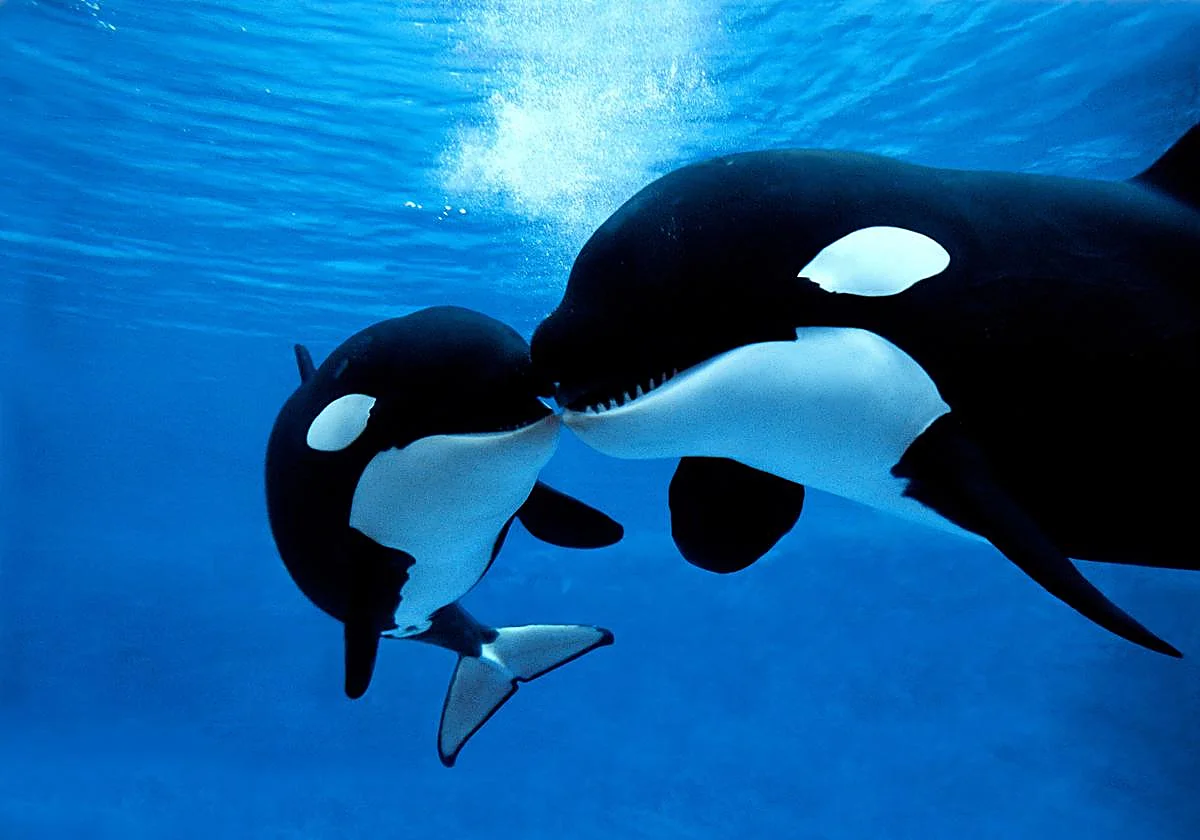
The number of encounters between orcas and maritime vessels off the Spanish coast has started to decline. Last year, a total of 45 such encounters were recorded, meaning that, in the last two years alone, the overall figure has fallen by almost 60 per cent, according to data from Spain's maritime rescue coordination centres.
The Strait of Gibraltar is where the drop in these encounters is most pronounced: from 90 incidents in 2023 to just 18 in 2025. However, activity has increased off Spain's northern coasts, near Galicia and Cantabria, where the figures show an increase from 17 encounters in 2023 to 27 in 2025, making it the most affected area at present.
Since orcas began chasing and ramming boats in 2020, they have been a major headache for sailors, central government, the maritime authorities and scientists alike. Such behaviour was unprecedented. They have broken rudders, sunk boats and caused panic among crews who, in the worst cases, have had to be rescued by Spain's maritime rescue services. What began with just three individual orcas ended up spreading to all orca groups around the Iberian peninsula. There is a kind of 'social contagion' among these creatures.
With few options for intervening with these marine mammals, the Spanish government's strategy has been to try minimising the risk of interaction by avoiding or minimising navigation through areas with a high concentration of orcas and recommending that boats always use navigational routes closest to the coast where possible, while remaining within safe limits. "The available data indicates that the measures are proving effective," stated the Ministry for Ecological Transition in a press release.
Therefore, given the increase in incidents along Spain's northern coast, the Spanish authorities have now decided to draw up a specific map for the coast of Galicia that identifies the areas at greatest risk of contact with orcas, thereby strengthening navigational safety and reducing the likelihood of any run-ins with orcas. They are also maintaining the risk map for the area between the Gulf of Cadiz and the Strait of Gibraltar.
Zoom
A study to try deciphering orca behaviour in this part of Atlantic by a group of experts - convened by Spain and Portugal - concluded in 2024 that it was just a 'fad', almost a game among the orcas, motivated by the availability of abundant food and too much free time on their fins. In the Strait of Gibraltar, until just over a decade ago, Atlantic orcas had to go to a lot of trouble to find food, with high-speed chases lasting up to half an hour due to the scarcity of prey. Now, the chase lasts two to three minutes at most. So, the orcas are well-fed, catch their prey quickly and have plenty of spare time to explore their surroundings and 'get creative', especially the younger ones.
The Ministry of Ecological Transition in Madrid reminds the public that, in the event of an encounter while at sea, whether on a motorboat or a sailing vessel, it is recommended not to stop, but to head towards the coast or shallower waters. They also warn of the risk of standing close to the port or starboard edges of the vessel, better to remain in a more secure space to avoid any possible impacts or sudden movements causing falls or injuries.