Zoom
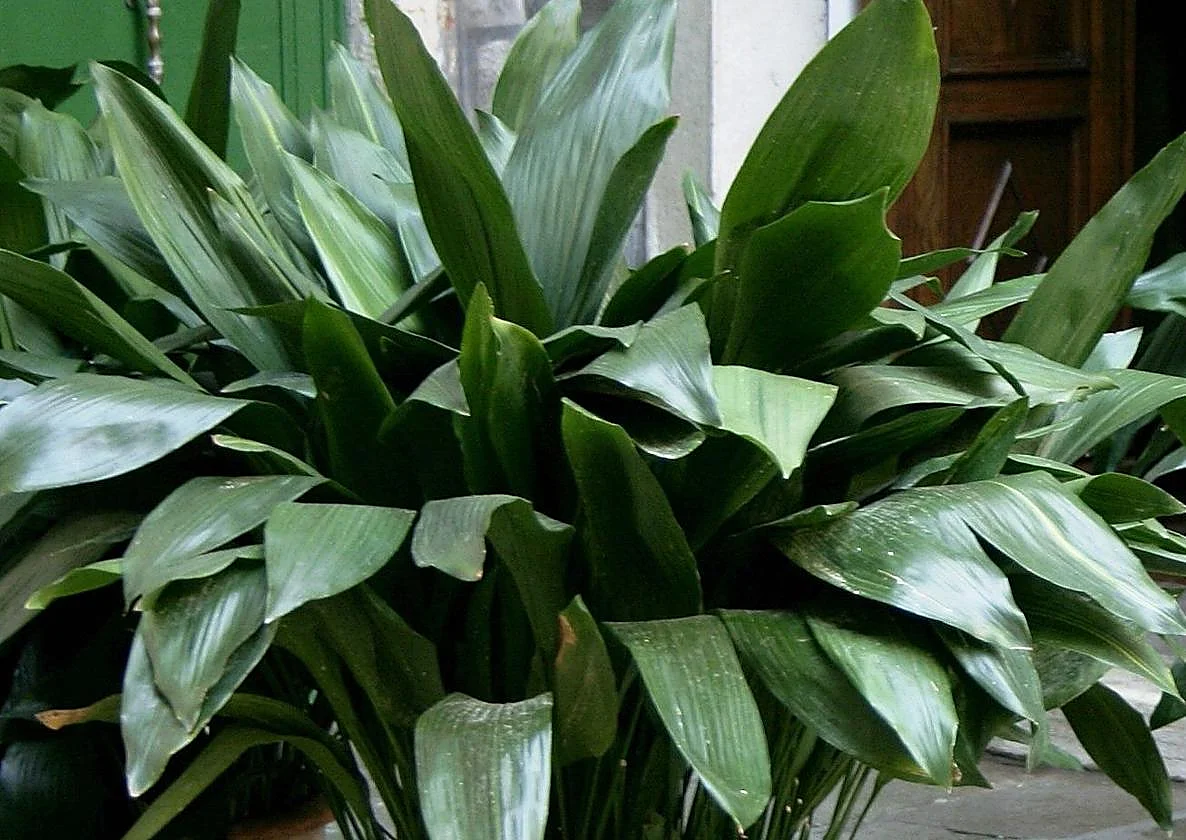
Pilistra elatior. Wikimedia Gardening in southern Spain Pilistra elatiorA hardy perennial, native to the forests of Japan and Taiwan, it gets its common name, the cast iron plant, from its amazing tolerance to neglect
Denise Bush
Friday, 13 March 2026, 12:00
The plant of the month for March at the Jardines Botánicos La Concepción is the Aspidistra elatior, commonly known as the cast iron plant - or the bar room plant, a nickname it earned from its popularity in 19th century pubs, where it thrived in smoky, poorly-lit conditions that would kill most plants.
A hardy perennial, native to the forests of Japan and Taiwan, it gets its common name from its amazing tolerance to neglect. It thrives in low-light conditions, has broad dark green leaves and grows up to 60 cm tall, making it useful in shaded garden beds as well as indoors. Some varieties have variegated foliage with cream, white or yellow stripes or spots.
It may produce small pinkish flowers, which form at soil level and are hard to spot, and are thought to be pollinated by slugs and snails. In Japan, the large leaves are traditionally used to wrap and serve sushi.
As overwatering is the main risk to this plant, allow the soil to dry out between waterings. Keep it out of direct sunlight, which will scorch the leaves. The cast iron plant doesn't mind being slightly rootbound, but should be repotted once roots begin circling the inside of the pot or emerging from the drainage holes. The best time to propagate is spring or early summer.
The cast iron plant is considered non-toxic to both pets and humans.