Zoom
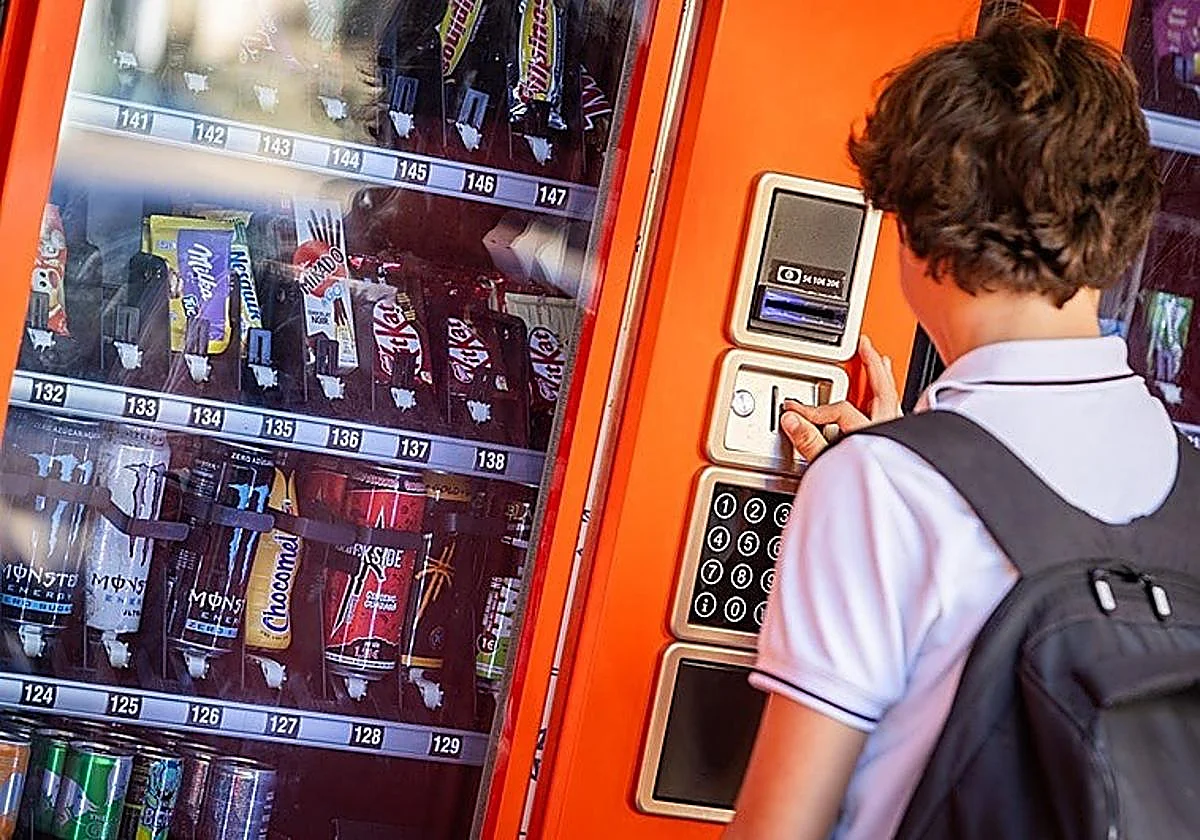
A schoolboy inserting coins into a vending machine that sells energy drinks. J. L. BORT Child welfare Spain to ban energy drink sales to under-16s: new 2026 health regulationsGovernment targets high-caffeine beverages and unhealthy food ads to protect youth health
Madrid
Wednesday, 25 February 2026, 14:09
Spain’s government is finalising a landmark regulation to ban the sale of energy drinks to minors under 16.
Backed by 90 per cent of the Spanish population, the law also restricts access for 16 and 17-year-olds when caffeine levels exceed 32mg per 100 millilitres).
After two years of debates, Minister of Consumer Affairs Pablo Bustinduy justifies the measure by pointing at studies which show the damage regular consumption of such drinks causes to young people.
According to the Spanish agency for food safety (Aesan), the excessive consumption of caffeine, sugar and other excitants can lead to sleep disturbance in moderate consumers, psychological damage (overwhelm, anxiety or depression) and behavioural disturbances, as well as cardiovascular disorders in daily drinkers.
Energy drinks also imply risks for pregnant women and breastfeeding mothers.
Regular consumption of these drinks causes sleep disturbances and psychological and cardiovascular problems
The measure has enormous public support: nine out of ten Spaniards. More than half of them would extend the ban to include all underage children. Support for the ban is also strong in the 18-35 age group (88 per cent).
The general ban on the purchase of energy drinks by under-16s will join the ban on the sale of energy drinks in schools throughout the country (both in cafeterias and in canteens or vending machines), which has been in place since last year.
Young people: the main consumers of energy drinks
In the past decade, the consumption of energy drinks has soared almost 40 per cent. One in four Spanish residents consumes energy drinks twice a week on average. Half of those who buy them drink at least one can a day and half of them regularly mix them with alcohol, which can exacerbate drunkenness as the excitants camouflage the effects of alcohol.
What is most worrying is the data on youth consumption, as official studies show that seven out of every ten cans sold in Spain are drunk by young people, with 43 per cent of adolescents aged 14 to 18 drinking them frequently (with higher rates among boys).
Within the same age group, 15 per cent mix energy drinks with alcohol. There is even significant consumption among children between the age of three and ten.
A similar ban is already in place in various European countries (Germany, Norway, Latvia, Poland, Hungary and Lithuania).
Ban on unhealthy food advertising
The Ministry of Consumer Affairs is also preparing a regulation that will restrict the advertising of unhealthy foods that targets children and adolescents.
According to studies, 80 per cent of Spanish children consume ultra-processed foods and foods with a high content of fats, sugar or salt and a high calorie intake. These products pose a risk to their health and increase the risk of obesity.
Estimates point out that each Spanish child receives more than 4,000 unhealthy food ads a year through television alone, which means that they see almost eleven a day. The number rises to 30 if we add ads that reach them through social media.