Zoom
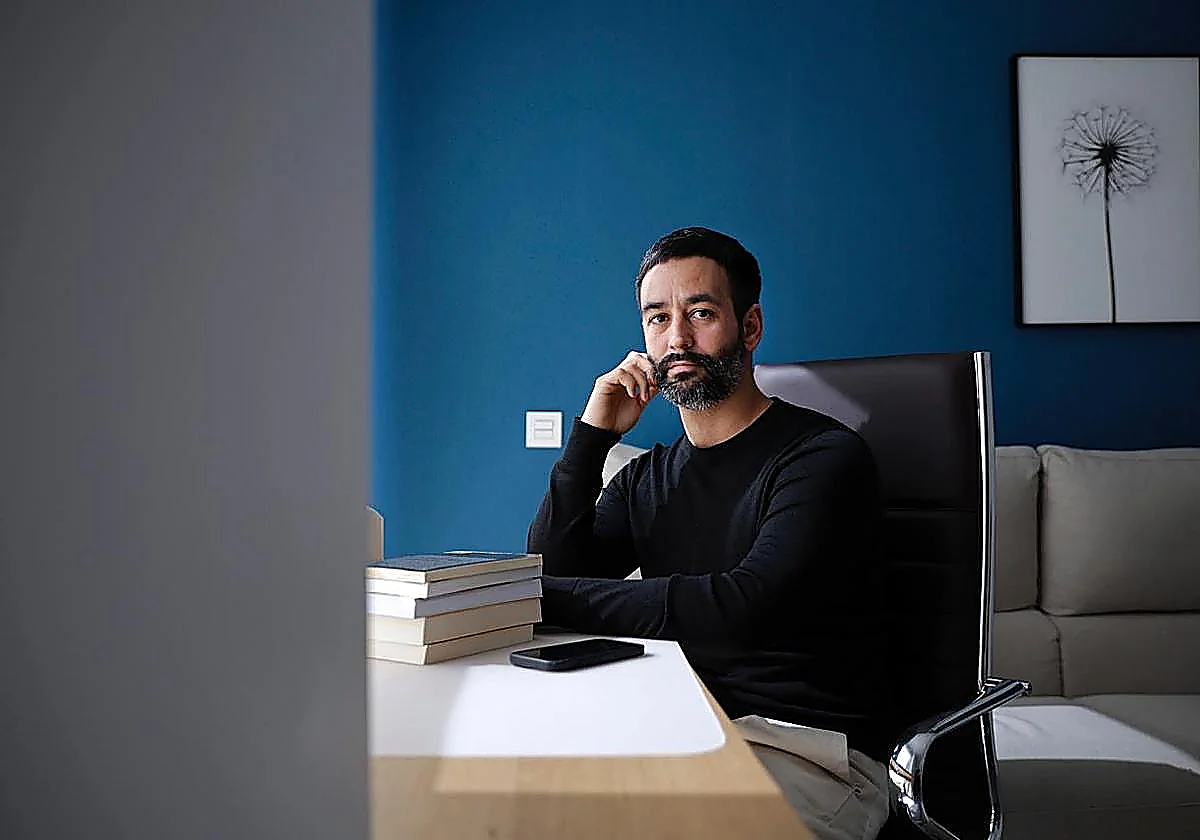
Psychologist Carlos Barea in his office in the Teatinos district in Malaga. Migue Fernández SUR Interview Spanish psychologist Carlos Barea unpacks the dangers of social mediaHe advocates for regulations similar to those concerning alcohol and tobacco
Matías Stuber
Monday, 30 March 2026, 12:36
Social media is vast and contradictory. It's brilliant and vile. Dangerous and entertaining. Banal and political. Perhaps one of the greatest collective creative achievements in human history. Possibly a threat to democracy and the mental health of the population. A brain-shaper, especially for young people who no longer know a world without phones.
The following is a conversation with psychologist Carlos Barea (Cadiz, 1986). In his office in Malaga's Teatinos district, he observes almost daily the consequences of unsupervised and unregulated social media use.
We drew the following conclusion after an hour-long conversation with him: social media is like a whole world but by no means is it a perfect one. What begins as a form of entertainment, especially among teenagers, can lead to catastrophic behaviours.
There is a generation that no longer knows a life without a mobile phone. What are the consequences of this?
Technology has conquered us and we're trying to learn how to use it. We're seeing the consequences in the first generations who grew up with smartphones. Millennials were able to go out with very little supervision. Children who have grown up with phones, by contrast, have been closely supervised in the real world, but have had almost no supervision online. There's also a clear gender divide. Girls and women have been more affected by pressure to conform to certain beauty standards or life expectations. For boys and men, it's more about their reward systems being overstimulated by pornography and video games. We're seeing many men who prefer watching porn and masturbating to having real-life sex.
Why can one spend hours on social media without realising how time passes?
Because it offers a kind of stimulation that closely matches how the mind processes its own thoughts. So it slips very easily into our nervous system. Platforms have also evolved a lot in this sense and they copy each other. At first, attention was more saccadic, like reading or like a pendulum in hypnosis. When Instagram stories appeared, content came at you from the side. Then they realised that scrolling down is far more powerful as it's a simpler gesture. Watching someone else do pleasurable things is much easier than doing them yourself. The reward system gets reinforced indirectly.
Related story