Zoom
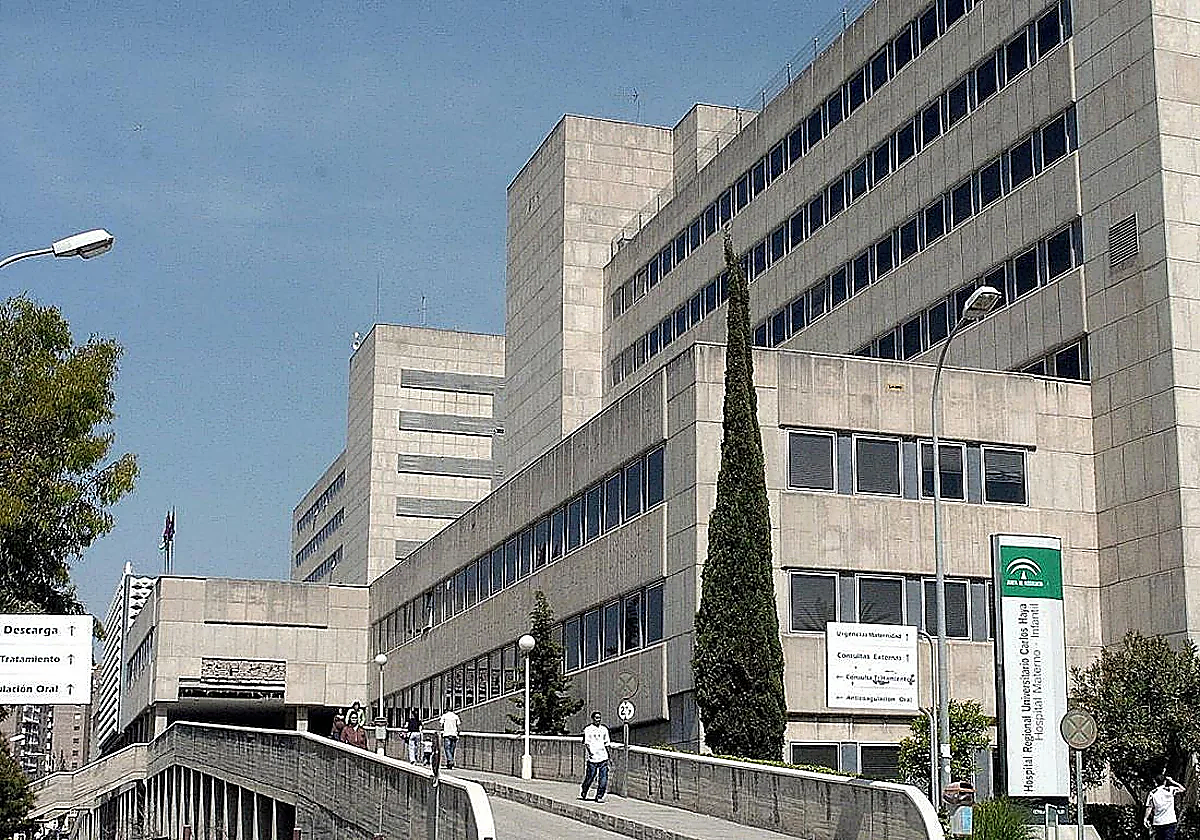
Hospital Materno Infantil in Malaga. SUR Health UPDATE: No further meningitis cases linked to Malaga child's deathThe Andalusian regional government ruled out further contagion after performing the preventive measures and tests on Tuesday
José Antonio Sau
Thursday, 23 April 2026, 11:48
The Andalusian regional government's health department in Malaga has ruled out more meningitis cases in the close environment of the five-year-old girl from Vélez-Málaga who died in Hospital Materno on Monday.
The regional delegation carried out all the necessary preventive tests on Tuesday. They checked the girl's family, teachers and schoolmates for the bacteria that causes meningitis and all tests were negative, although they were not able to confirm the variant or serotype of the disease the girl had.
Health sources explain that serious bacterial infections such as meningitis can quickly progress to sepsis, an extreme response of the body to the infection.
The girl was admitted on Monday after a transfer from another hospital in the Axarquía district.
Protocol
The protocol for these types of cases is clear: the school and the child's close circle are notified of the possible cause of death in order to confirm that exposed close contacts are protected.
Meningitis presents with fever, severe headache and a deterioration in general health, as well as neck stiffness, vomiting, drowsiness or confusion and sensitivity to light. To confirm the diagnosis, a lumbar puncture is performed and cerebrospinal fluid is extracted for analysis. In the laboratory, the sample is cultured. After around 24 hours, sometimes sooner, the analysis indicates whether the cause is viral or bacterial.
Bacterial meningitis usually requires contact tracing, involving chemoprophylaxis with antibiotics for close family members, schoolmates or teaching staff, as appropriate. Epidemiologists also analyse vaccination status and the level of protection within the community in order to limit potential chains of transmission.
Prevent the spread
When the authorities detect a case of meningitis, they notify the patient's local health centre and their close environment. This involves checking whether close contacts are vaccinated or have been exposed.
The goal "is to prevent the disease from spreading". Primary care epidemologists usually carry out the protocol of testing the daycare centres, schools, families and even the healthcare staff treating the patient.
Related story