The study should be structured around several fundamental axes. The first of these is the geological and geotechnical feasibility (terrain, foundations, reservoir permeability, closures, etc.).
Geology, dimensions and impact
The second aspect concerns regulation capacity and dimensions. The study will simulate different storage levels to determine the optimal volume capable of supplying resources to the Guadalhorce-Limonero system, while minimising flooding of surrounding land.
The third key point concerns sustainability and ecological flow. This is undoubtedly the most sensitive aspect of the tender. The flow of the Grande river will be analysed, ensuring strict compliance with the water framework directive and the protection of biodiversity.
The next crucial point concerns the socioeconomic analysis and location alternatives. Here, the successful bidder must compare the original Cerro Blanco site with alternatives (such as diversion weirs or lateral storage ponds) and assess the costs of expropriation and interconnection infrastructure.
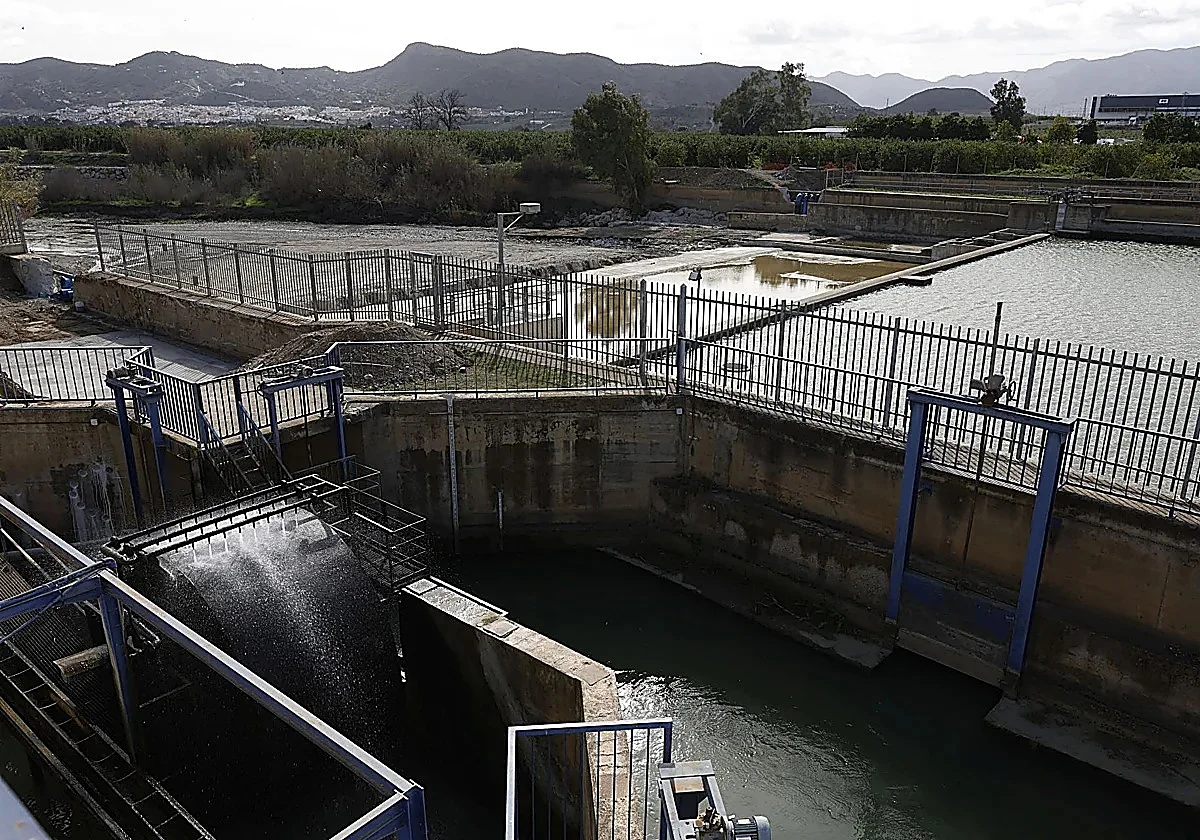
Currently, the water from the Grande river can only be partially used at the Aljaima weir in Cártama. This infrastructure diverts the flow into a reservoir, from where it is piped to El Atabal.
These facilities, however, have very little storage capacity, so the water that isn't pumped simply overflows the small dam and flows downstream. Nevertheless, this system ensures a supply of water for many weeks during the rainy season.
Background
The project for a reservoir to regulate the Grande river, which originates in the Sierra de las Nieves mountain range and holds high-quality water, was included in the 2001 national hydrological plan.
The dam must focus on urban water supply and irrigation, but, like all dams, it would also serve to mitigate flooding and prevent flash floods. This is especially important now that the province undergoes periods of successive storms and torrential downpours.
That dam, whose capacity was estimated at 45 million cubic metres (the annual demand of the city of Malaga), was the scene of high-profile demonstrations and protests.
When former PM Zapatero's government succeeded Aznar's, one of its main measures was to repeal the aforementioned national hydrological plan. No significant progress was ever made and ultimately another project was proposed: a weir to divert approximately 20-25 million cubic metres to the city of Malaga. This, too, came to nothing.
Access the broad Malaga and Costa del Sol news index