Economy
Houshold lending in Spain rises five per cent in March, reaching levels last seen in 2008Around two-thirds of total credit goes to mortgages, according to data from the Bank of Spain
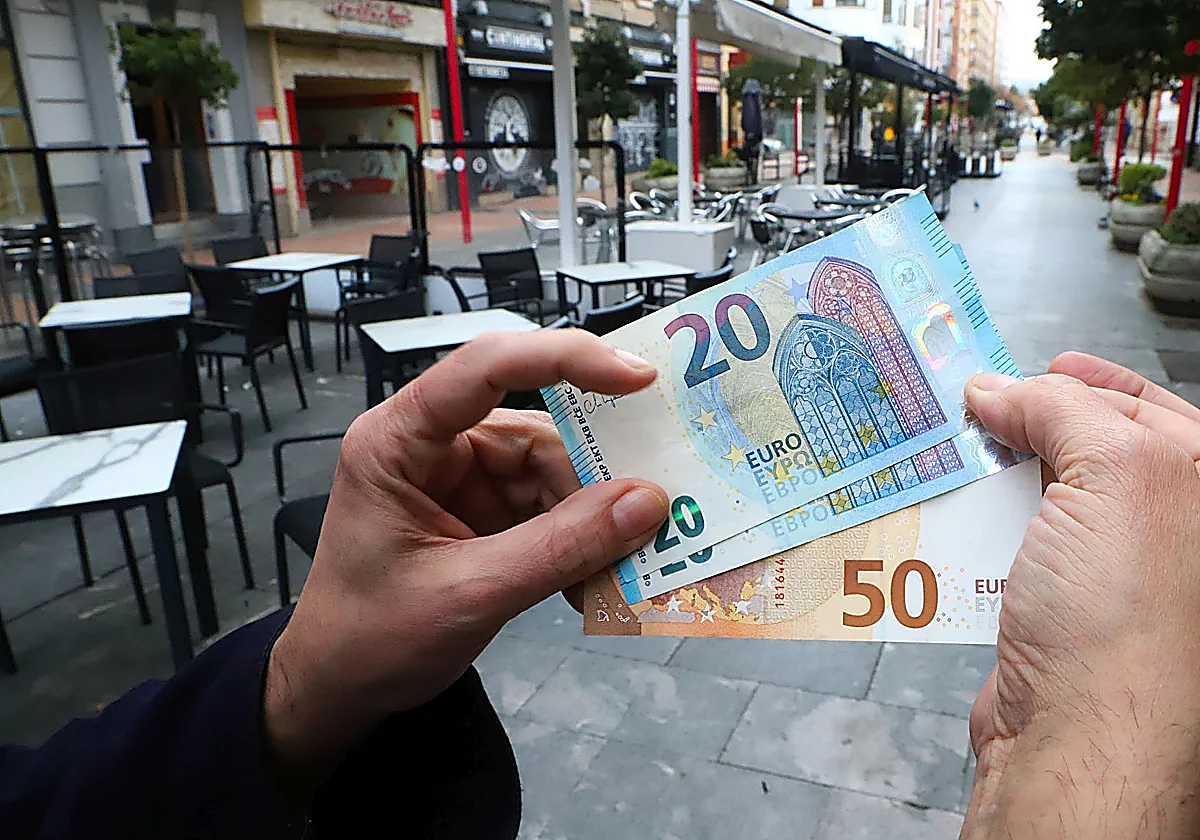
Banknotes of 20 and 50 euros. (Avelino Gómez)Ana Cantero
04/05/2026 a las 14:51h.The years of austerity and saving are over: debt is creeping back into Spanish households. Lending continues to swell family finances, with consumption as the main driver. According to the Bank of Spain, credit granted to households rose by five per cent in March compared with March 2025. This makes it the strongest increase since October 2008.
In total, lending reached 720.875 billion euros. Growth came mainly from consumer credit, which rose by 12.6 per cent to 117.351 billion. However, this increase was slightly lower than in February, when it climbed by 13 per cent - the first slowdown since last July. Even so, it exceeded the rise recorded in February 2020, before the Covid-19 pandemic, when it stood at 12.2 per cent.
Data on liquidity and financing indicators for households and businesses, which the Bank of Spain published on Monday, shows that a large share of loans went to mortgages. Specifically, 521.527 billion euros was allocated to home loans, up 4.2 per cent, also the biggest increase since December 2008. The figures confirm that housing still accounts for the bulk of household debt, representing around two-thirds of the total.
Compared to February, total household credit, including both consumer lending and mortgages, increased by 0.2 per cent in March.
Meanwhile, financing to businesses rose by 2.2 per cent year-on-year, reaching 954.844 billion euros. Compared with February, it increased by 13.039 billion. Lending from financial institutions and debt securities drove this growth, while borrowing from abroad continued to fall in March.
Compared to March 2025, credit granted to households has increased by 29,396 million euros, while lending to businesses has risen by 13,039 million euros.