Food and Drink opinion
ProhibitionColumnist Andrew J. Linn looks at how moderate regulation of alcohol comsumption might work better than outright bans
Añádenos en GoogleAndrew J. Linn
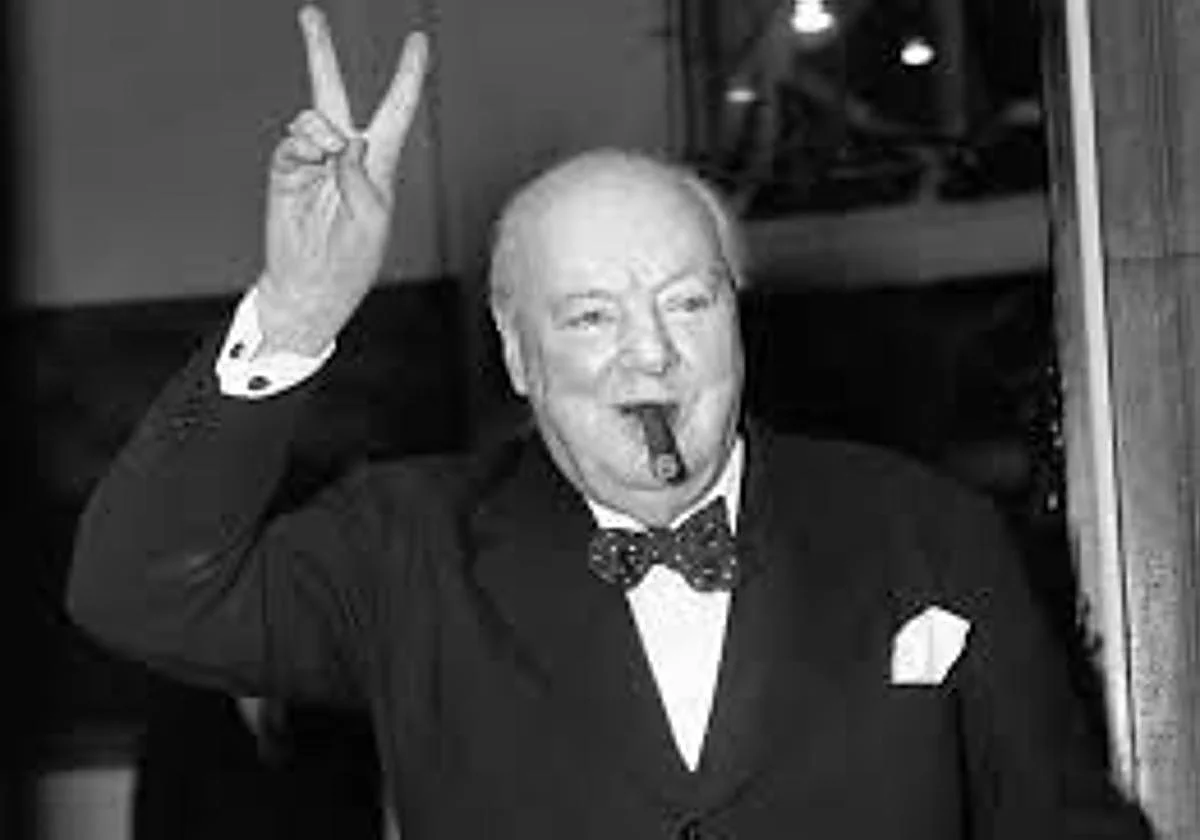
22/05/2026 a las 11:00h.Winston Churchill may have been Britain's greatest wartime leader, but he had little patience for America's experiment with Prohibition. Arriving in New York in 1932 for talks with US politicians, Churchill carried two unshakeable convictions: democracy mattered and lunch without wine was intolerable.
America spent a decade imagining that banning alcohol would improve public morals. Instead, it turned respectable citizens into whisky smugglers and elevated pharmacists to the status of nightclub proprietors.
Wine of the week
REMELLURI RESERVA 2017
A lovely soft Rioja from the Alta section of the zone, made from Tempranillo, Graciano and Garnacha grapes, a winning blend and particularly effective here. It will keep for many years to come. Around 30 euros
Churchill soon encountered another American hazard when he was knocked down by a car crossing the street. He consulted a doctor - less for his injuries than for a matter of constitutional importance: access to alcohol. The sympathetic physician obligingly issued a medical certificate declaring Churchill in need of alcoholic refreshment, 'especially at mealtimes,'.
Such loopholes flourished during Prohibition. Doctors freely prescribed whiskey and brandy for ailments ranging from influenza to toothache, while pharmacists dispensed 'medicine' with suspicious enthusiasm. Initially, the ban did produce some benefits: alcohol consumption fell, families spent more money on food and housing, and some alcohol-related illnesses declined.
Yet organised crime, smuggling, corruption and dangerous homemade spirits soon overwhelmed these gains. Similar patterns emerged elsewhere. Gorbachev's anti-alcohol campaign in Soviet Russia briefly improved male life expectancy and reduced violent crime, while temporary restrictions in countries such as India and South Africa lowered hospital admissions and traffic deaths. History suggests moderate regulation works better than outright bans, though unrestricted drinking carries obvious social and medical dangers.