Zoom
Motoring What is the most popular colour for used-car buyers in Spain?Vehicle owners tend to remain faithful to traditional colours and avoid the most striking shades
N.S.
Madrid
Wednesday, 17 December 2025, 16:36
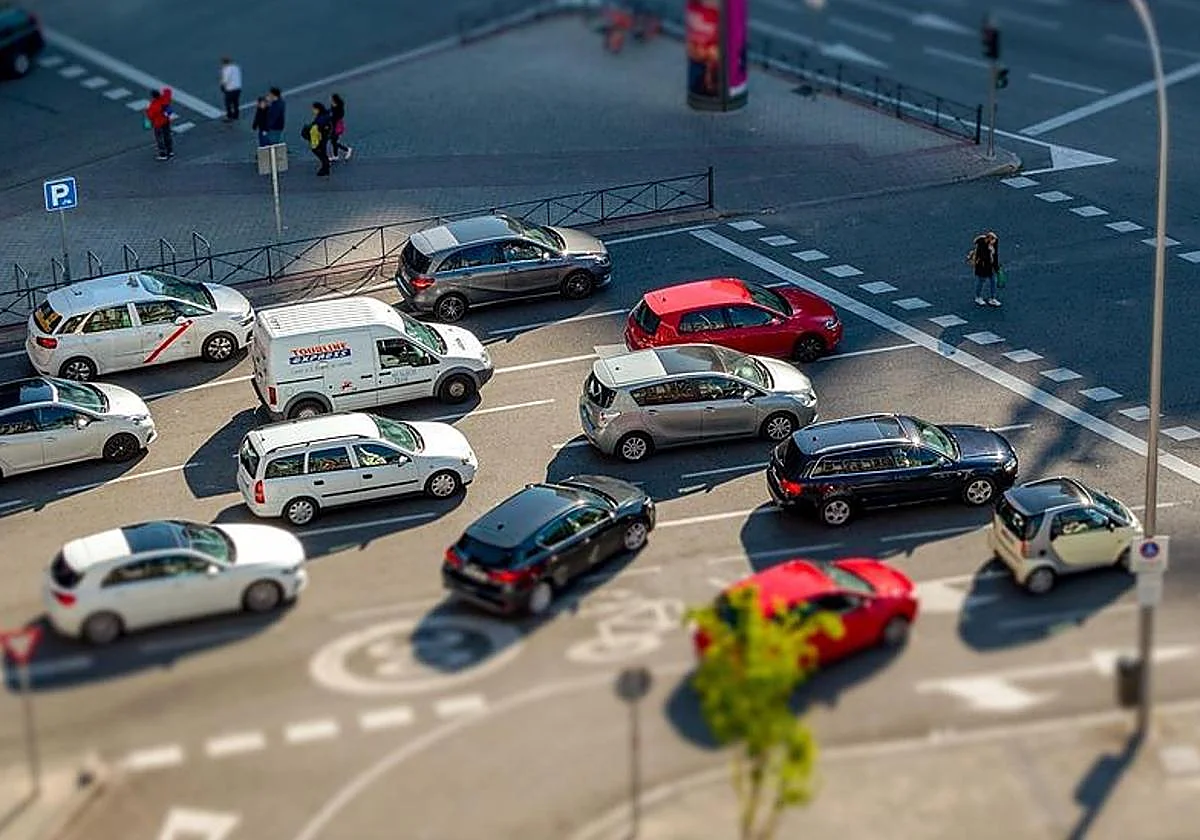
Car manufacturers offer a wide range of colours to suit all tastes: from timeless, classic monochromatic shades to bold colours that turn heads when out on the road. However, experts point out that buyers of used cars have somewhat different priorities when choosing a second-hand vehicle. For example, drivers in Spain do not tend to choose very colourful cars, preferring instead the monochromatic tones. Of all the used vehicles analysed by carVertical in 2024, 21.2% were grey, 36.4% black, 26.3% white, 8.1% blue and 8.1% red.
Over the years, both grey and black have maintained their strong market position. In 2010, grey cars accounted for 24.2% of the total, rising to 29.9% in 2020. Black fell from 33.8% in 2010 to 26% in 2020, but has since recovered ground and become the most popular colour in Spain.
As for other colours, the popularity of blue has increased from 9.3% in 2010 to 11.5% in 2020. Meanwhile, red cars have maintained a relatively stable presence of between 3% and 6% each year, reaching 8.1% in 2024.
"Most drivers choose discreet colours to avoid attracting attention. But there's also a practical reason: it's easier to sell a grey or black car than a green or yellow one, because the demand for these colours is higher worldwide," explains Matas Buzelis, carVertical's automotive market expert.
Brown and yellow were the least popular colours in Spain, with a market share that, in some manufacturing years, was less than 1%.
Although each European country's car market has its own peculiarities, Europeans' attitudes towards colours are surprisingly similar. Grey, black and white dominate in most of the countries analysed, while bright colours are much less common. This is because neutral tones are generally considered more practical and easier to maintain.
Over time, brightly coloured cars can fade due to sun exposure. It is therefore not recommended to leave red, yellow or orange vehicles in direct sunlight for extended periods. This problem is especially noticeable in southern Europe, where the sun damages the paintwork and many older cars display faded or worn colours.
However, monochromatic colours also require care. Black cars are particularly susceptible to dust, bird droppings, insects and plant debris, which can leave marks and significantly reduce the vehicle's value.
"Colours such as grey or white disguise dust, scratches and small defects in the bodywork much better. Even a slight mark on a red car is more noticeable. However, black cars require more frequent washing than any other colour and only look properly clean the day after washing," says Matas Buzelis.
Also, according to carVertical's car market expert, dark colours are often used on high-end models to convey a sense of luxury and exclusivity. However, these cars are less popular in southern Europe due to the heat, dust and dirt.
Dark tones are also common for airport transfer vehicles, limousines and hotel shuttles, as they help maintain a sophisticated image and meet the expectations of discerning customers.
"Each car manufacturer is associated with certain colours. Historically, Italian cars were typically red, French cars blue, British cars green and German cars silver. That was the golden age of motoring and some of that heritage is still preserved in certain models today," states Buzelis.